Global Symposium and Course: Human Sciences and The Future of Architecture October 2026 Japan Hosted at the Kyoto International Community House
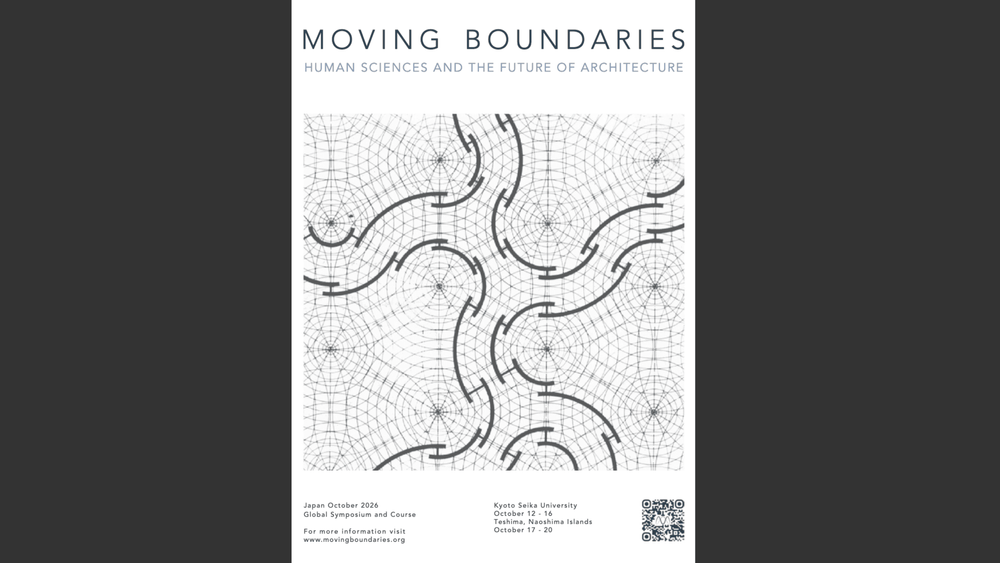
Moving Boundaries’ Global Symposium and Course explores how neuroscience, psychology, sociology and other human sciences can shape healthier architecture and landscapes. Held October 12–20, 2026, it includes five days of lectures, temple tours and discussions in Kyoto, followed by a retreat on Teshima and Naoshima. In-person spaces are sold out, but lectures are available remotely.
Who: Produced by Moving Boundaries, the program brings together 12 international experts and participants from more than 25 countries. Faculty span architecture, neuroscience, cognitive science, psychology, philosophy, health, urban design, and landscape design. It is intended for architects, designers, researchers, health professionals, artists, educators, policymakers, graduate students and others interested in human-centered design.
What: A nine-day interdisciplinary symposium, course and retreat titled “Human Sciences and the Future of Architecture.” It examines how the built and natural environments influence health, cognition, emotion and human experience. Topics include neuroarchitecture, neuroaesthetics, restorative and biophilic design, memory and place, Japanese spatial philosophy, forest bathing, empathy, navigation, somatic design and sacred spaces.
Activities include:
- Lectures, masterclasses, panels and Q&A sessions
- Temple, shrine, garden and architecture tours
- Faculty-led discussions and networking
- Nature, cultural and culinary experiences
- Opportunities for participants to present their work
- An all-day Naoshima museum trip featuring architecture by Tadao Ando
- A certificate of completion and access to course materials and recordings
When: The main program runs October 12–20, 2026.
- October 11: Optional pre-program activities
- October 12–16: Part 1 in Kyoto
- October 17–20: Part 2 retreat on Teshima and Naoshima
- October 22: Optional Kurama Fire Festival “after-party,” with an additional fee
Where:
- Kyoto: Kyoto International Community House, Kyoto Seika University, Goethe-Institut’s Kamogawa Villa, temples, gardens and other cultural sites
- Teshima: Retreat accommodations near the sea, including local hotels and B&Bs
- Naoshima: All-day ferry excursion to museums and architectural sites
- Remote: Lectures and panel discussions will be livestreamed
In-person participation is sold out for both Kyoto and the island retreat, but remote passes remain available.
Schedule
October 11 – Optional pre-program day
- 6:00–8:00 a.m.: Zazen meditation at Enkō-ji Temple
- 7:00 p.m.: Informal gathering near Kyoto Station, followed by small-group dinners in Gion
October 12 – Day 1: Brain, body and the built environment
- 10:00–10:30 a.m.: Check-in and coffee
- 11:00 a.m.: Welcome and participant introductions
- Lectures by Tye Farrow and Cleo Valentine on salutogenic, health-centered design
- Lunch and networking
- Panel discussion and Q&A
- Takaya Kurimoto lecture on Japanese gardens and the inner landscape of the mind
October 13 – Day 2: Japanese temples and gardens
- Morning visits to Eikan-dō and Ginkaku-ji temples
- Guided discussion and group walk with Takaya Kurimoto
- 1:00–3:00 p.m.: Complimentary welcome lunch in central Kyoto
- Free afternoon in the city
October 14 – Day 3: Connecting research and practice
- Morning visit to the Daitoku-ji Temple Complex
- Tea session and group discussions
- Lunch independently
- Anjan Chatterjee: neuroaesthetics of the built environment
- Upali Nanda: bridging neuroarchitecture research and practice
- Panel discussion and Q&A
October 15 – Day 4: Restorative design
- Free morning
- Sarah Robinson, joining remotely: Japanese gardens and felt space
- Natalia Olszewska: restorative design, cultural intuition and scientific evidence
- Panel discussion and Q&A
October 16 – Day 5: Japanese space and the philosophy of nothingness
- Morning visits to Tenryū-ji, Myōshin-ji and Ryōan-ji
- Lunch independently
- Discussion at Kamogawa Villa with David Dorenbaum, Ryōsuke Ōhashi and guests
- Panel and open audience discussion
- Free evening and preparation for island travel
October 17–20 – Island retreat
Participants travel to Teshima and Naoshima for approximately 2.5 days of nature immersion, cultural experiences, discussions and an all-day Naoshima museum excursion by ferry. The supplied event page does not provide a detailed day-by-day island schedule.
October 22 – Optional add-on
- Kurama Fire Festival experience
- Additional fee, with details expected in September