Art and the Critical Medical Humanities
February 19th, 2026
Fiona Johnstone, Allison Morehead, Imogen Wiltshire
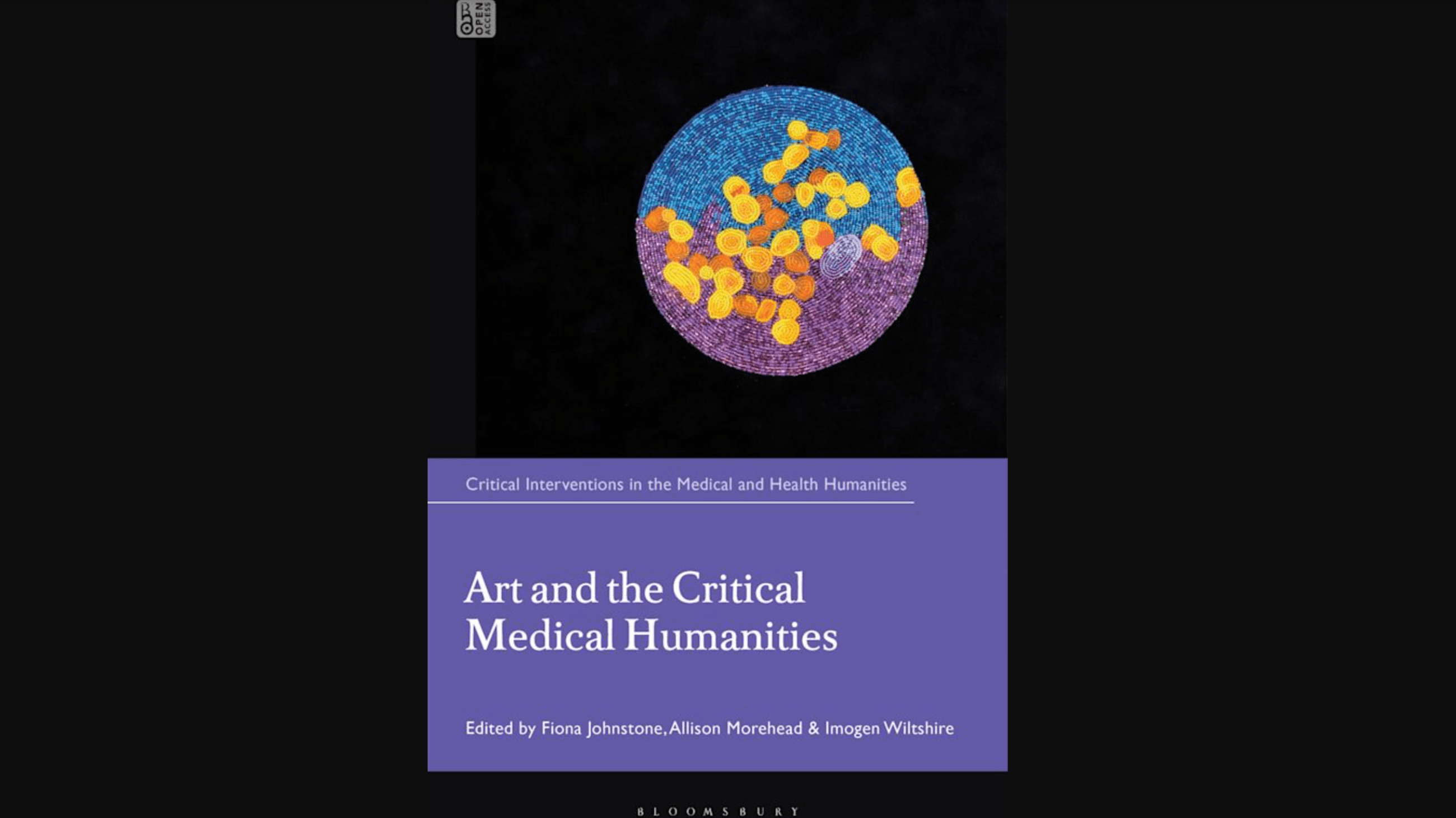
This book examines how artworks and visual culture shape understandings of health, illness, and medicalized bodies. Topics include medical imaging, chronic pain, dermatology and racial classification, reproduction and obstetrics, disability, psychiatric art practices, lived experience, care, and the ways art can expose or challenge assumptions within medicine.
Critical Interventions in the Medical and Health Humanities
DOI: 10.5040/9781350506367
Posted bySarah Pearl
Pending staff verification
Notify
Abstract/Description
This book examines how artworks and visual culture participate in the creation, interpretation, and questioning of medical knowledge. It treats art not simply as a therapeutic activity, but as a way to investigate how bodies, illnesses, and clinical categories become visible and acquire meaning.
The book explores medical imaging and the contemporary clinical encounter, including the limits of technologies intended to make illness visible. It considers how artistic practices can represent experiences- such as chronic pain- that may not be adequately captured by scans or other clinical evidence. Other discussions address medical photographs, archives, paintings, and individual artworks as sources for examining how medicine depicts and classifies the body.
Several contributions focus on the social and political assumptions embedded in medical representation. These include an analysis of racial bias in dermatology and the Fitzpatrick skin-type scale, as well as discussions of disability, ableism, and art that challenges medicine’s emphasis on cure and bodily normalization. Reproduction, obstetrics, infertility, maternity care, gender, and sexuality also appear as areas in which visual culture can reinforce or question medical authority.
The book additionally examines relationships among art-making, psychiatry, and art therapy. Rather than assuming that creative activity is inherently therapeutic, it places these practices in historical context and considers how ideas about mental health, treatment, and patient expression have shaped their use. Across its discussions of lived experience, care, illness, disability, and clinical knowledge, the book shows how art can reveal aspects of health that medical images and professional categories may leave unseen.
The book explores medical imaging and the contemporary clinical encounter, including the limits of technologies intended to make illness visible. It considers how artistic practices can represent experiences- such as chronic pain- that may not be adequately captured by scans or other clinical evidence. Other discussions address medical photographs, archives, paintings, and individual artworks as sources for examining how medicine depicts and classifies the body.
Several contributions focus on the social and political assumptions embedded in medical representation. These include an analysis of racial bias in dermatology and the Fitzpatrick skin-type scale, as well as discussions of disability, ableism, and art that challenges medicine’s emphasis on cure and bodily normalization. Reproduction, obstetrics, infertility, maternity care, gender, and sexuality also appear as areas in which visual culture can reinforce or question medical authority.
The book additionally examines relationships among art-making, psychiatry, and art therapy. Rather than assuming that creative activity is inherently therapeutic, it places these practices in historical context and considers how ideas about mental health, treatment, and patient expression have shaped their use. Across its discussions of lived experience, care, illness, disability, and clinical knowledge, the book shows how art can reveal aspects of health that medical images and professional categories may leave unseen.