Can looking at this painting slow dementia?
March 3rd, 2026
Simon Ings
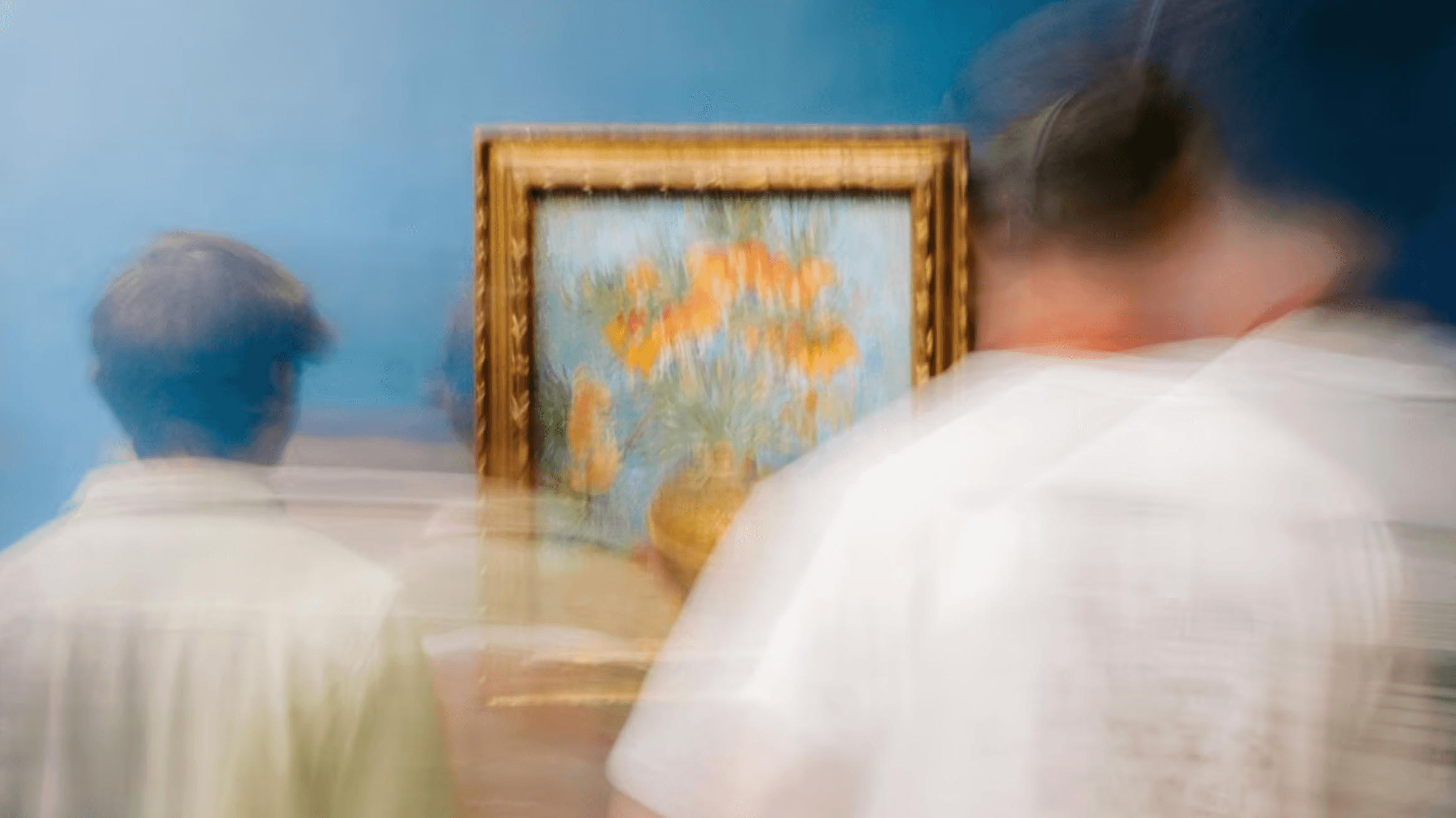
This article explores growing scientific evidence that engagement with the arts may play a meaningful role in promoting brain health, slowing cognitive decline, and improving mental well-being. Activities such as viewing paintings, listening to music, making art, and participating in cultural experiences simultaneously engage multiple brain systems, strengthening cognitive reserve.
Tefaf Maastricht
Posted bySarah Pearl
Pending staff verification
Notify
Abstract/Description
The article examines the emerging field of arts and health, focusing on growing evidence that artistic engagement can contribute to cognitive health, healthy aging, and disease management. Drawing on the work of Professor Daisy Fancourt and other researchers, the article argues that the arts should be viewed not merely as entertainment or enrichment but as a complementary component of public health.
Historically, artistic activities were commonly integrated into healthcare settings, particularly psychiatric hospitals, before becoming less prominent in modern medicine. Contemporary research is now reviving this perspective through rigorous clinical trials and epidemiological studies. Rather than attributing therapeutic benefits to a single artistic element, researchers suggest that the arts function as a "whole-brain workout," simultaneously engaging emotional, cognitive, sensory, social, and motor processes.
A central mechanism discussed is the activation of the brain's mesolimbic dopamine reward system. Artistic experiences continually create patterns, surprise, and prediction errors that stimulate controlled dopamine release, encouraging neuroplasticity and the formation of new neural pathways. This sustained neurological stimulation may help maintain gray matter density, strengthen cognitive reserve, and delay the clinical expression of neurodegenerative diseases such as dementia.
The article highlights several notable findings. Studies suggest that adults who regularly engage with the arts demonstrate younger biological aging markers than those who do not. Large longitudinal research has found that regular music listening is associated with substantially lower dementia risk, while even modest participation in creative activities produces measurable cognitive benefits comparable to vigorous physical exercise. Ongoing research is also examining the role of museum visits and active art-making in improving symptoms of Parkinson's disease by facilitating movement, engagement, and dopamine-related motor functioning.
Beyond neurological outcomes, the article discusses the economic and healthcare implications of integrating the arts into medical practice through social prescribing. Community-based arts programs have demonstrated favorable returns on investment by reducing healthcare utilization while improving patient well-being, particularly among older adults and individuals living with dementia. Case examples illustrate how music and artistic interaction can temporarily restore communication, movement, emotional responsiveness, and social connection in individuals who otherwise appear withdrawn or cognitively impaired.
Overall, the article argues that the arts should be recognized as an evidence-informed complement to traditional medical care rather than as an alternative to it. The authors advocate for greater integration of artistic engagement into healthcare systems, public policy, and community infrastructure, positioning the arts alongside physical activity as an essential contributor to lifelong cognitive health, psychological well-being, and successful aging.
Historically, artistic activities were commonly integrated into healthcare settings, particularly psychiatric hospitals, before becoming less prominent in modern medicine. Contemporary research is now reviving this perspective through rigorous clinical trials and epidemiological studies. Rather than attributing therapeutic benefits to a single artistic element, researchers suggest that the arts function as a "whole-brain workout," simultaneously engaging emotional, cognitive, sensory, social, and motor processes.
A central mechanism discussed is the activation of the brain's mesolimbic dopamine reward system. Artistic experiences continually create patterns, surprise, and prediction errors that stimulate controlled dopamine release, encouraging neuroplasticity and the formation of new neural pathways. This sustained neurological stimulation may help maintain gray matter density, strengthen cognitive reserve, and delay the clinical expression of neurodegenerative diseases such as dementia.
The article highlights several notable findings. Studies suggest that adults who regularly engage with the arts demonstrate younger biological aging markers than those who do not. Large longitudinal research has found that regular music listening is associated with substantially lower dementia risk, while even modest participation in creative activities produces measurable cognitive benefits comparable to vigorous physical exercise. Ongoing research is also examining the role of museum visits and active art-making in improving symptoms of Parkinson's disease by facilitating movement, engagement, and dopamine-related motor functioning.
Beyond neurological outcomes, the article discusses the economic and healthcare implications of integrating the arts into medical practice through social prescribing. Community-based arts programs have demonstrated favorable returns on investment by reducing healthcare utilization while improving patient well-being, particularly among older adults and individuals living with dementia. Case examples illustrate how music and artistic interaction can temporarily restore communication, movement, emotional responsiveness, and social connection in individuals who otherwise appear withdrawn or cognitively impaired.
Overall, the article argues that the arts should be recognized as an evidence-informed complement to traditional medical care rather than as an alternative to it. The authors advocate for greater integration of artistic engagement into healthcare systems, public policy, and community infrastructure, positioning the arts alongside physical activity as an essential contributor to lifelong cognitive health, psychological well-being, and successful aging.