Engaging with the arts can slow biological aging, study shows
May 12th, 2026
London, United Kingdom
Allison Aubrey
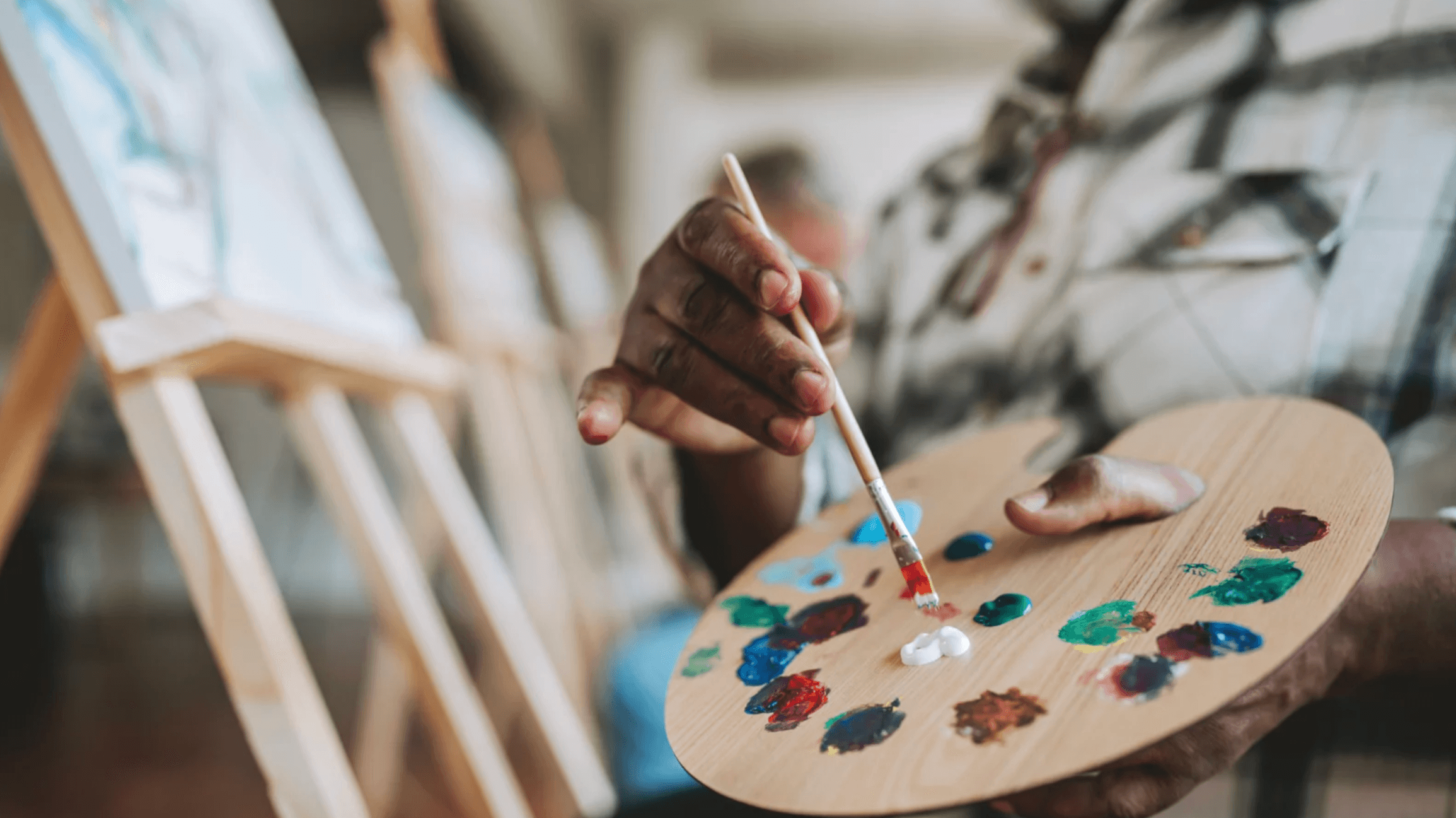
A study from University College London found that engagement in the arts, including both producing and experiencing artwork, like painting or going to the theater, can help slow biological aging.
Journal of Innovation in Aging
Posted bySarah Pearl
Pending staff verification
Notify
Abstract/Description
This NPR report and podcast discusses new research suggesting that engaging with the arts may help slow biological aging. Researchers at University College London analyzed data from thousands of adults and found that people who regularly participated in artistic activities (such as painting, making music, dancing, singing, or attending concerts, museums, and theater performances) aged biologically about 4% more slowly than those with little arts engagement. This difference equates to being approximately one year younger biologically, a benefit comparable to that associated with regular physical activity.
The study, published in the journal Innovation in Aging, measured biological aging using epigenetic clocks, which estimate a person's biological age by analyzing patterns of DNA methylation rather than chronological age. According to UCLA geneticist Steven Horvath, who developed one of these clocks, the findings were surprising because this is one of the first rigorous studies to demonstrate that arts engagement may influence biological aging at a level similar to exercise. He noted that the research expands the use of epigenetic clocks to study how leisure activities affect health and longevity.
Researchers believe one possible explanation is that participating in or experiencing the arts helps reduce chronic stress. Doug Vaughan explains that lower stress levels may reduce inflammation, a key contributor to aging and many chronic diseases. He describes the arts as a non-pharmacological intervention- a health-promoting activity that does not require medication but may still provide meaningful biological benefits.
Although the findings are promising, the researchers caution that additional studies are needed to determine whether starting artistic activities later in life can produce similar effects, how much participation is necessary, and whether the relationship is causal rather than simply associative. Overall, the study suggests that creative engagement may be an important lifestyle factor for healthy aging alongside established recommendations such as eating well and exercising regularly.