Exercise is vital to your health, but so are the arts. Here’s how to reap the benefits
April 8th, 2026
Keith Wagstaff, Daisy Fancourt
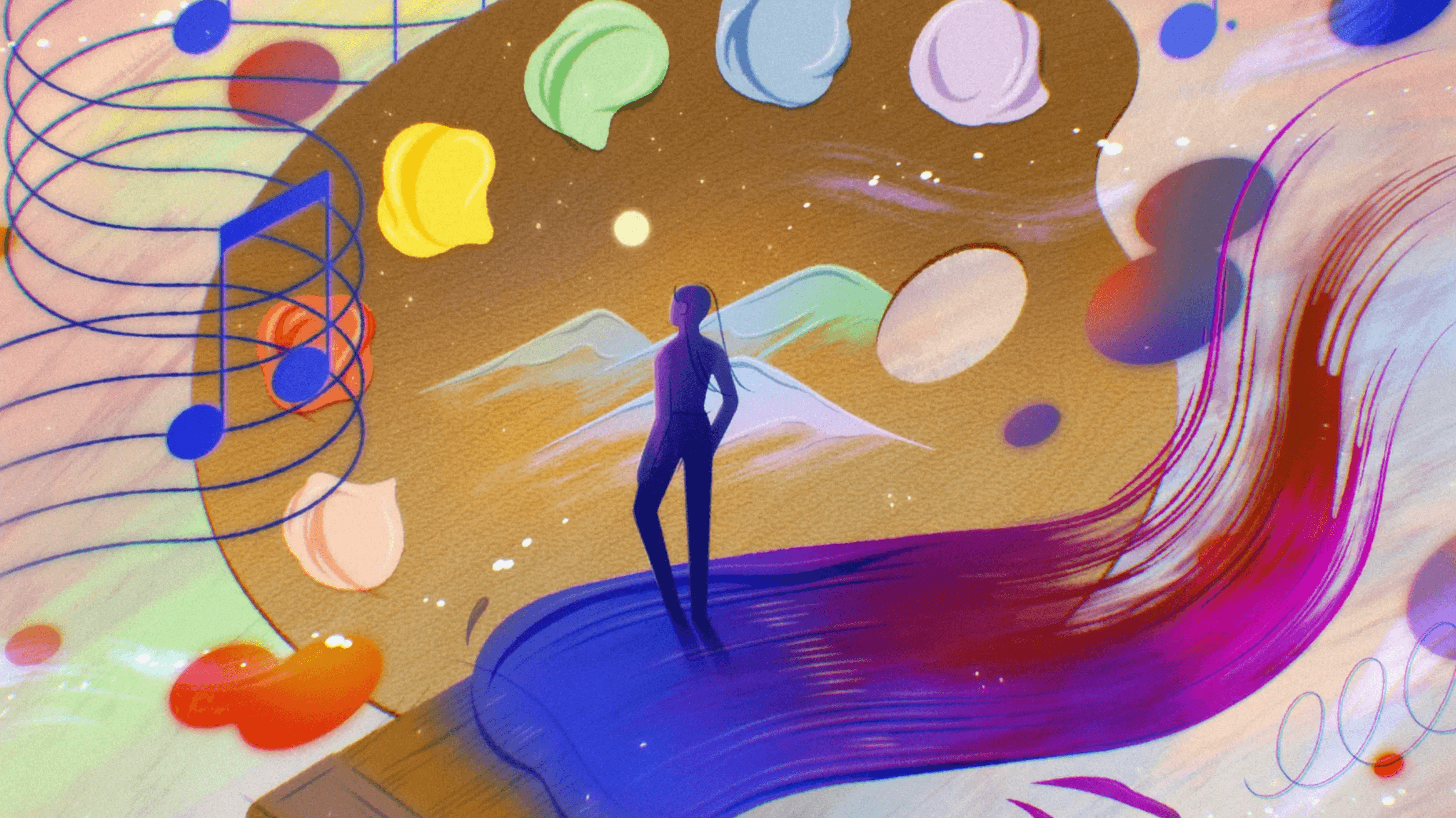
This interview with Daisy Fancourt, author of Art Cure: The Science of How the Arts Save Lives, explores the growing body of evidence that engaging with the arts is not simply enjoyable- it is a powerful contributor to physical and mental health. Fancourt argues that the arts should be considered the "fifth pillar of health," alongside diet, exercise, sleep, and time in nature.
Los Angeles Times
Posted bySarah Pearl
Pending staff verification
Notify
Abstract/Description
Main Findings
Fancourt explains that participating in artistic activities—whether creating art, playing music, dancing, knitting, reading, or attending museums and live performances—produces measurable biological and psychological benefits. Arts engagement:
- Activates the brain's reward system and increases dopamine release.
- Enhances feelings of autonomy, mastery, and emotional regulation.
- Reduces stress and inflammation.
- Improves cardiovascular health.
- Supports brain development in children.
- Helps preserve cognitive functioning in older adults.
- May even promote the formation of new neural pathways following brain injury.
Rather than affecting only mental health, the arts influence nearly every body system. For example:
- Singing strengthens respiratory muscles.
- Dancing lowers blood pressure and improves glucose regulation.
- Viewing calming artwork can activate the body's natural pain-relief responses.
Why Live Arts Matter More Than Passive Screen Time
Fancourt distinguishes between active, immersive arts experiences and passive screen consumption. Research cited in the interview found that:
- People who regularly attended live theater, concerts, and other performances showed better preservation of cognitive function with age.
- Simply going to the movies did not produce the same cognitive benefits.
-Online experiences can still be valuable but often lack the rich social interaction and focused attention that make live experiences especially beneficial.
She also argues that today's short-form media (such as TikTok and Instagram) encourages fragmented attention. Even in museums, visitors spend an average of only 28 seconds viewing each artwork. Meaningful health benefits come from slowing down and deeply engaging with artistic experiences rather than rapidly consuming content.
Practical Advice for Incorporating More Art
Fancourt emphasizes that people do not need to become accomplished artists or appreciate traditionally "highbrow" art. Her recommendations include:
- Choose artistic activities you genuinely enjoy rather than those you think you "should" enjoy.
- Match artistic engagement to your current energy level.
- Replace existing habits instead of adding new ones (e.g., listen to a concert instead of scrolling your phone, read a novel during your commute, meet friends for a craft activity instead of drinks).
- Give art your full attention instead of multitasking.
Why Sad Art Can Still Be Good for Us
One intriguing concept discussed is the "tragedy paradox." Although sad books, melancholy music, or frightening films evoke negative emotions, they can ultimately improve emotional well-being because viewers experience these emotions within the safety of fiction. This psychological distance allows people to:
- Practice emotional regulation.
- Reflect on how they might respond to difficult situations in real life.
- Create more memorable emotional experiences through the combination of positive and negative feelings.
However, Fancourt notes that art that triggers unresolved personal trauma may not provide these benefits.
How Much Art Is Enough?
Rather than prescribing a specific number of hours, Fancourt compares artistic engagement to healthy eating:
- Just as we need nourishment every day, we should try to include some form of artistic engagement every day.
- The emphasis is on making the arts a regular, sustainable part of everyday life rather than an occasional luxury.
Fancourt explains that participating in artistic activities—whether creating art, playing music, dancing, knitting, reading, or attending museums and live performances—produces measurable biological and psychological benefits. Arts engagement:
- Activates the brain's reward system and increases dopamine release.
- Enhances feelings of autonomy, mastery, and emotional regulation.
- Reduces stress and inflammation.
- Improves cardiovascular health.
- Supports brain development in children.
- Helps preserve cognitive functioning in older adults.
- May even promote the formation of new neural pathways following brain injury.
Rather than affecting only mental health, the arts influence nearly every body system. For example:
- Singing strengthens respiratory muscles.
- Dancing lowers blood pressure and improves glucose regulation.
- Viewing calming artwork can activate the body's natural pain-relief responses.
Why Live Arts Matter More Than Passive Screen Time
Fancourt distinguishes between active, immersive arts experiences and passive screen consumption. Research cited in the interview found that:
- People who regularly attended live theater, concerts, and other performances showed better preservation of cognitive function with age.
- Simply going to the movies did not produce the same cognitive benefits.
-Online experiences can still be valuable but often lack the rich social interaction and focused attention that make live experiences especially beneficial.
She also argues that today's short-form media (such as TikTok and Instagram) encourages fragmented attention. Even in museums, visitors spend an average of only 28 seconds viewing each artwork. Meaningful health benefits come from slowing down and deeply engaging with artistic experiences rather than rapidly consuming content.
Practical Advice for Incorporating More Art
Fancourt emphasizes that people do not need to become accomplished artists or appreciate traditionally "highbrow" art. Her recommendations include:
- Choose artistic activities you genuinely enjoy rather than those you think you "should" enjoy.
- Match artistic engagement to your current energy level.
- Replace existing habits instead of adding new ones (e.g., listen to a concert instead of scrolling your phone, read a novel during your commute, meet friends for a craft activity instead of drinks).
- Give art your full attention instead of multitasking.
Why Sad Art Can Still Be Good for Us
One intriguing concept discussed is the "tragedy paradox." Although sad books, melancholy music, or frightening films evoke negative emotions, they can ultimately improve emotional well-being because viewers experience these emotions within the safety of fiction. This psychological distance allows people to:
- Practice emotional regulation.
- Reflect on how they might respond to difficult situations in real life.
- Create more memorable emotional experiences through the combination of positive and negative feelings.
However, Fancourt notes that art that triggers unresolved personal trauma may not provide these benefits.
How Much Art Is Enough?
Rather than prescribing a specific number of hours, Fancourt compares artistic engagement to healthy eating:
- Just as we need nourishment every day, we should try to include some form of artistic engagement every day.
- The emphasis is on making the arts a regular, sustainable part of everyday life rather than an occasional luxury.