The “Blooming” Field of Neuroarts
United States
Juliet M. Beverly
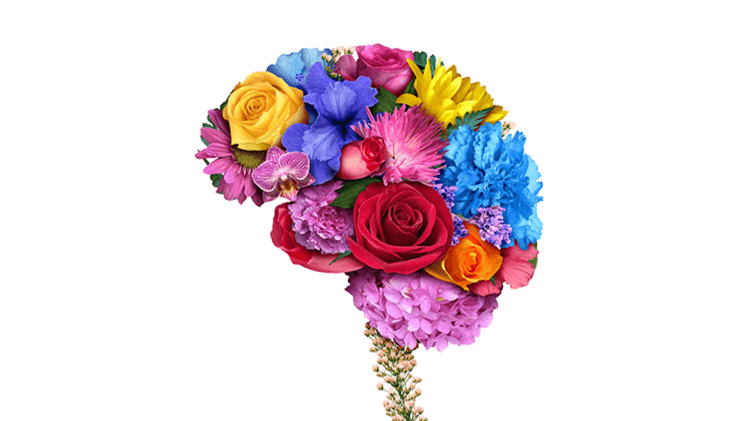
Despite major federal funding cuts, researchers are dedicated to determining how engaging in the arts can improve our brain health.
Brain Facts
Posted byCherry Ng
Pending staff verification
Notify
Abstract/Description
For decades, research has shown artistic endeavors including music, painting, writing, crafting and others can provide therapeutic benefits for people experiencing PTSD, depression, or anxiety. What’s been missing is a framework to ensure cohesive, rigorous evidence underpins the field of neuroaesthetics.
The field of neuroaesthetics comprises researchers from disparate disciplines with different experimental approaches and dissimilar reporting standards. In an effort to effectively translate neuroaesthetic findings into clinical prevention, healthcare, or wellness practices, Magsamen and her IAM Lab launched the NeuroArts Blueprint Initiative in 2019 in collaboration with the Aspen Institute's Health, Medicine & Society Program. The initiative, which Magsamen co-directs with Aspen Institute vice president Ruth Katz, is creating a community, resources, and a space for shared knowledge among researchers, clinicians, and artists.
The field of neuroaesthetics comprises researchers from disparate disciplines with different experimental approaches and dissimilar reporting standards. In an effort to effectively translate neuroaesthetic findings into clinical prevention, healthcare, or wellness practices, Magsamen and her IAM Lab launched the NeuroArts Blueprint Initiative in 2019 in collaboration with the Aspen Institute's Health, Medicine & Society Program. The initiative, which Magsamen co-directs with Aspen Institute vice president Ruth Katz, is creating a community, resources, and a space for shared knowledge among researchers, clinicians, and artists.