The Creativity Choice
May 6th, 2025
Zorana Ivcevic Pringle
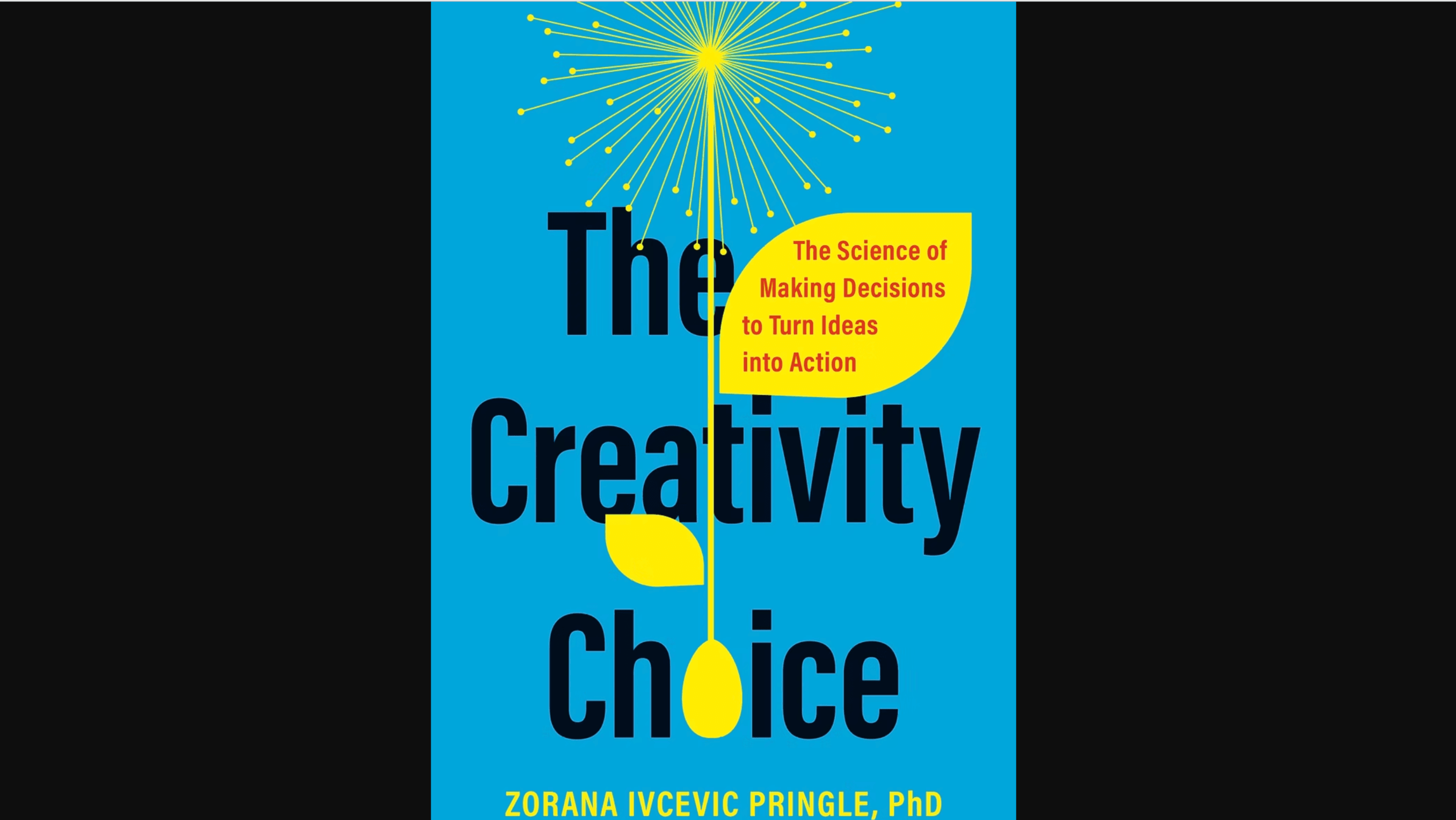
This book examines the decisions that move creativity from an initial idea to a completed work. Drawing on psychological research and examples from art, animation, digital media, education, and organizational innovation, it explores creative confidence, uncertainty, emotion regulation, persistence, collaboration, and the social conditions that support creative action.
Posted bySarah Pearl
Pending staff verification
Notify
Abstract/Description
This book examines the decisions that move creativity from an initial idea to a completed work. Drawing on psychological research and examples from art, animation, digital media, education, and organizational innovation, it explores creative confidence, uncertainty, emotion regulation, persistence, collaboration, and the social conditions that support creative action.
Ivcevic Pringle defines creativity as more than generating original ideas. Creative work requires repeatedly choosing to develop, revise, and implement an idea despite uncertainty, emotional discomfort, practical limitations, and the possibility of criticism. The book organizes this process around three questions: how people begin creative work, how they persist through extended projects, and how occasional creative action becomes a sustained practice.
The book identifies low creative confidence and uncertainty as major barriers to beginning. It distinguishes intellectual risk, or uncertainty about whether a person has the ability to complete the work, from reputational risk, or concern about how teachers, supervisors, audiences, and peers will respond. Confidence is presented as something that can develop through action, progress, feedback, and support rather than as a prerequisite for starting.
Emotions are examined as active components of the creative process. Energized positive moods can support broad and playful idea generation, while lower-energy moods may facilitate criticism and revision. Emotional granularity, reappraisal, self-compassion, and other regulation strategies are discussed in relation to creative blocks, frustration, anxiety, setbacks, and the movement between generating and evaluating ideas.
Examples involving Monet’s paintings, Pixar’s development of animated films, digital creators, entrepreneurs, educators, nonprofit founders, and workplace teams demonstrate how ideas change during production. The book also distinguishes bonding relationships that provide encouragement from bridging relationships that introduce unfamiliar perspectives. Leadership, psychological safety, access to resources, and organizational responses to unfinished ideas are considered conditions that can either support or inhibit sustained creativity.
Ivcevic Pringle defines creativity as more than generating original ideas. Creative work requires repeatedly choosing to develop, revise, and implement an idea despite uncertainty, emotional discomfort, practical limitations, and the possibility of criticism. The book organizes this process around three questions: how people begin creative work, how they persist through extended projects, and how occasional creative action becomes a sustained practice.
The book identifies low creative confidence and uncertainty as major barriers to beginning. It distinguishes intellectual risk, or uncertainty about whether a person has the ability to complete the work, from reputational risk, or concern about how teachers, supervisors, audiences, and peers will respond. Confidence is presented as something that can develop through action, progress, feedback, and support rather than as a prerequisite for starting.
Emotions are examined as active components of the creative process. Energized positive moods can support broad and playful idea generation, while lower-energy moods may facilitate criticism and revision. Emotional granularity, reappraisal, self-compassion, and other regulation strategies are discussed in relation to creative blocks, frustration, anxiety, setbacks, and the movement between generating and evaluating ideas.
Examples involving Monet’s paintings, Pixar’s development of animated films, digital creators, entrepreneurs, educators, nonprofit founders, and workplace teams demonstrate how ideas change during production. The book also distinguishes bonding relationships that provide encouragement from bridging relationships that introduce unfamiliar perspectives. Leadership, psychological safety, access to resources, and organizational responses to unfinished ideas are considered conditions that can either support or inhibit sustained creativity.