The Pinnaroo Project: a longitudinal 3-year cross-sectional study of the impact of a community-based arts-in-health program on the health and wellbeing of a remote Australian Community
June 19th, 2026
Australia
Robyn Clark, Jeffrey Fuller, Aarti Gulyani, Debrah F Cowill, Julie Wallis, Rebecca R Niejalke, Maz C McGann, Morrison Polkinghorne, Dianne Thornton, Matthew P Wallen, John Denton, Stuart B Cassidy, Julia Romano, Igor Ferreira, Edbert E Lim, Narmon S Tulsi, Barry J Burgan, Alison L Kitson
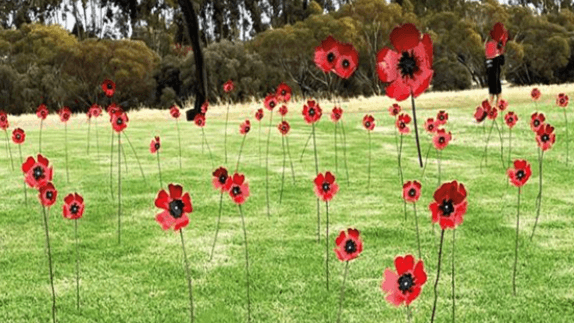
A three-year study of the Pinnaroo Project explored community-led arts activities in remote Australia. Adult arts participants had lower odds of depression, and participants reported better quality of life. Economic modelling estimated A$2.30 returned per dollar invested, highlighting the potential of creative programs to support rural wellbeing where health services are limited.
Rural and Remote Health
DOI: https://doi.org/10.22605/RRH9893
Posted bySarah Pearl
Pending staff verification
Notify
Abstract/Description
-Introduction: Rural and remote communities face limited health services. The community-led Pinnaroo Project used arts activities to support health and wellbeing.
-Methods: Repeated cross-sectional assessments from 2021 to 2023 evaluated health outcomes among community volunteers, in partnership with arts experts and Flinders University.
-Results: More than 57 creative experiences were delivered through 110 workshops, with 90% satisfaction across 616 feedback forms. There were 564 health screenings; arts engagement reached 75% in 2022 and 66% in 2023. Among adult arts participants, depression symptoms declined from 31% to 19% (p=0.03), compared with 36% to 30% among non-participants (p=0.53). Adjusted analyses linked arts participation to lower odds of depression (OR=0.38; 95% CI: 0.19–0.79; p=0.01). Participants reported higher quality of life and healthier dietary patterns. Children's mental health comparisons were limited by the small non-participant group (n=6). Economic modelling estimated an A$2.30 return per dollar invested.
-Conclusion: Community-led arts initiatives may support rural population health with findings supporting evaluation and investment in similar settings.
-Methods: Repeated cross-sectional assessments from 2021 to 2023 evaluated health outcomes among community volunteers, in partnership with arts experts and Flinders University.
-Results: More than 57 creative experiences were delivered through 110 workshops, with 90% satisfaction across 616 feedback forms. There were 564 health screenings; arts engagement reached 75% in 2022 and 66% in 2023. Among adult arts participants, depression symptoms declined from 31% to 19% (p=0.03), compared with 36% to 30% among non-participants (p=0.53). Adjusted analyses linked arts participation to lower odds of depression (OR=0.38; 95% CI: 0.19–0.79; p=0.01). Participants reported higher quality of life and healthier dietary patterns. Children's mental health comparisons were limited by the small non-participant group (n=6). Economic modelling estimated an A$2.30 return per dollar invested.
-Conclusion: Community-led arts initiatives may support rural population health with findings supporting evaluation and investment in similar settings.