The Poetry of Science, a Report
February 5th, 2022
Cambridge, Massachusetts, United States
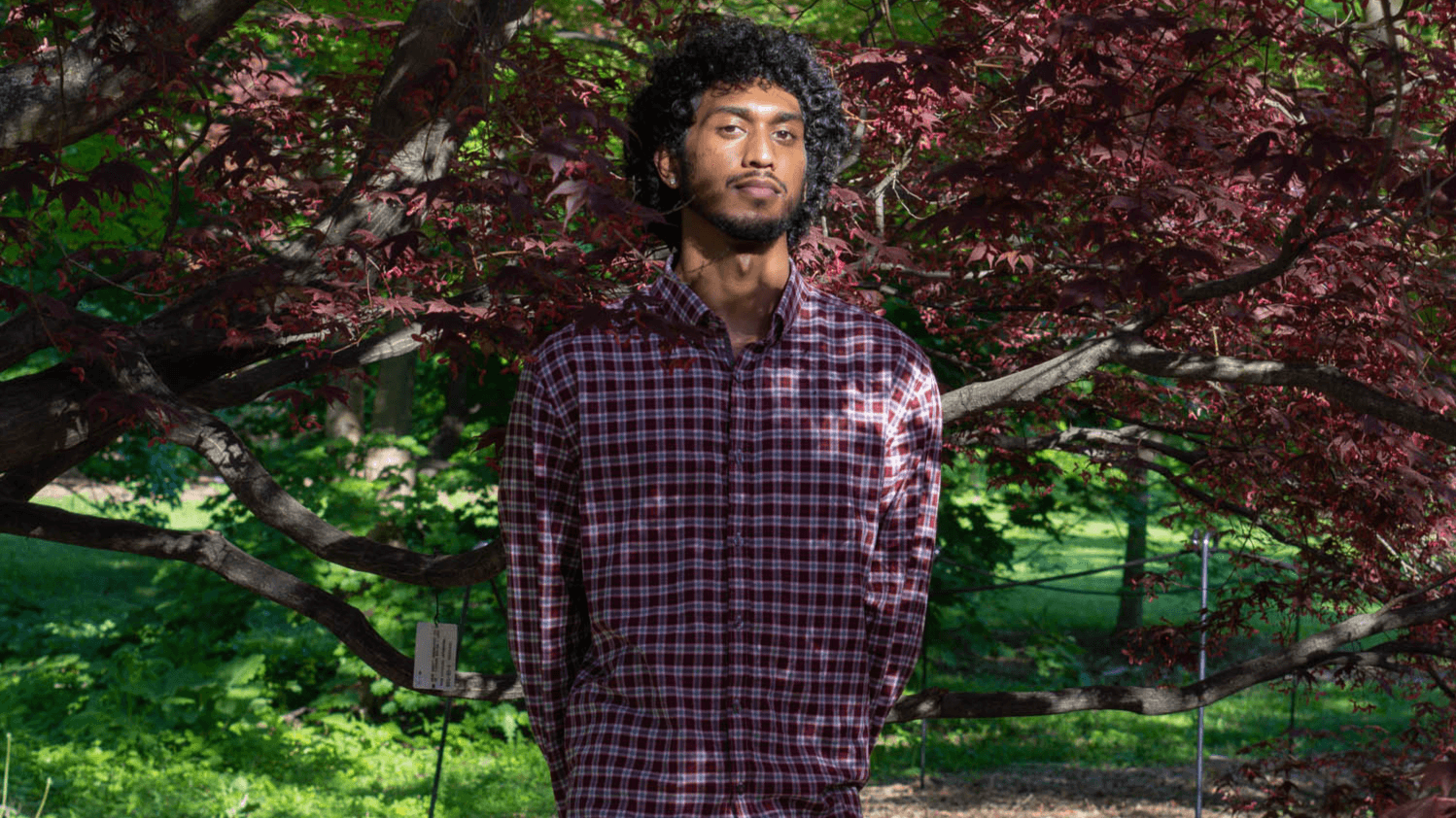
This report documents The Poetry of Science, a collaborative project between poets, scientists, and artists of color through poetry, photography, exhibitions, and public programs. It provides a practical guide for artists, educators, researchers, and cultural organizations seeking to design, evaluate, and sustain interdisciplinary arts-science collaborations and community-engaged creative work.
Posted byJoshua Sariñana
Pending staff verification
Notify
Abstract/Description
The Poetry of Science brought together poets, scientists, and artists of color to explore how creative expression can deepen public understanding of science while amplifying voices often underrepresented in both scientific and cultural institutions. Supported by the Cambridge Arts Council's Art for Racial Justice Grant, the project paired local poets and scientists of color in a collaborative process that transformed scientific research, personal histories, and lived experiences into original works of poetry and portraiture.
Through conversations between participants, poets created new works inspired by the scientists' research, motivations, and personal journeys. These poems were presented alongside photographic portraits, creating a space where scientific inquiry, identity, creativity, and community could be experienced together. The resulting exhibitions were shown at Massachusetts General Hospital and the Massachusetts Institute of Technology, while participating poets presented their work publicly and published selected poems through Spry Literary Journal.
The project engaged 26 artists, poets, and scientists across multiple institutions, including MIT, Massachusetts General Hospital, Boston University, and Harvard University. Participants ranged from emerging writers and researchers to established poets and scientific leaders. Through exhibitions, readings, publications, media coverage, and digital outreach, The Poetry of Science reached audiences throughout Greater Boston and beyond.
Beyond the artwork itself, The Poetry of Science developed a model for interdisciplinary arts-science collaboration. The project demonstrated how poetry, photography, and dialogue can create new forms of connection between scientific knowledge and lived experience, while fostering relationships across communities that are often separated by disciplinary, institutional, and cultural boundaries. The accompanying report documents the project's development, outcomes, challenges, and lessons learned, providing a resource for artists, educators, researchers, and cultural organizations interested in creating their own community-engaged arts-science initiatives.
Through conversations between participants, poets created new works inspired by the scientists' research, motivations, and personal journeys. These poems were presented alongside photographic portraits, creating a space where scientific inquiry, identity, creativity, and community could be experienced together. The resulting exhibitions were shown at Massachusetts General Hospital and the Massachusetts Institute of Technology, while participating poets presented their work publicly and published selected poems through Spry Literary Journal.
The project engaged 26 artists, poets, and scientists across multiple institutions, including MIT, Massachusetts General Hospital, Boston University, and Harvard University. Participants ranged from emerging writers and researchers to established poets and scientific leaders. Through exhibitions, readings, publications, media coverage, and digital outreach, The Poetry of Science reached audiences throughout Greater Boston and beyond.
Beyond the artwork itself, The Poetry of Science developed a model for interdisciplinary arts-science collaboration. The project demonstrated how poetry, photography, and dialogue can create new forms of connection between scientific knowledge and lived experience, while fostering relationships across communities that are often separated by disciplinary, institutional, and cultural boundaries. The accompanying report documents the project's development, outcomes, challenges, and lessons learned, providing a resource for artists, educators, researchers, and cultural organizations interested in creating their own community-engaged arts-science initiatives.