Together: The Healing Power of Human Connection in a Sometimes Lonely World
April 21st, 2020
Vivek Murthy
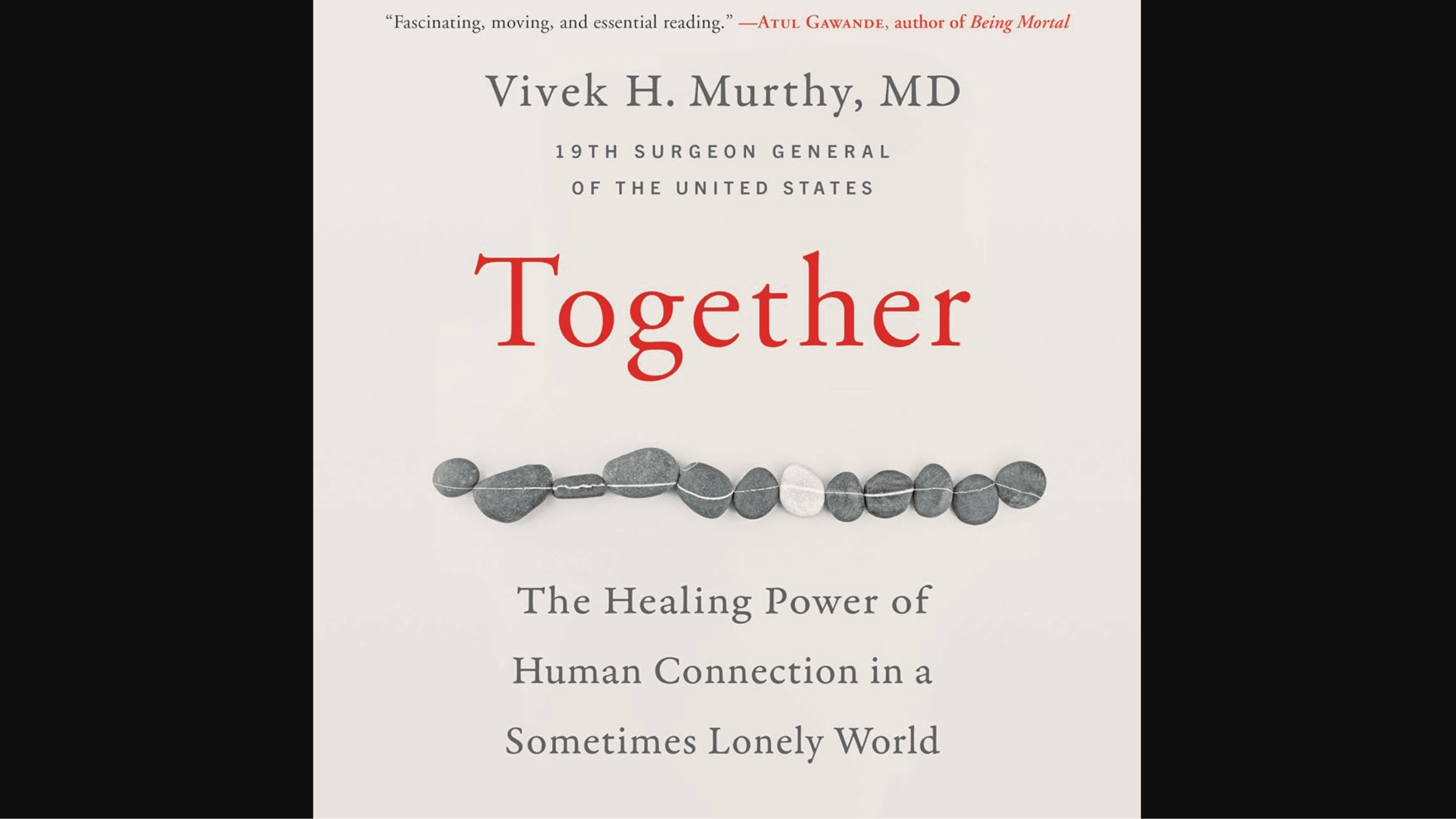
This book examines loneliness as a public health concern and explains how social disconnection affects mental and physical health. It distinguishes intimate, relational, and collective loneliness and considers how close relationships, community belonging, shared activity, music, synchronized sound, laughter, and group movement can strengthen social connection.
Family Medicine, Journal of Character and Leadership Development
Posted bySarah Pearl
Pending staff verification
Notify
Abstract/Description
This book examines loneliness as a public health concern and explores its relationship to physical health, mental health, and social functioning. Drawing on scientific research, clinical observations, and accounts from individuals and communities, Vivek Murthy describes loneliness as a signal that the human need for meaningful connection is not being met.
The book distinguishes three forms of loneliness. Intimate loneliness involves the absence of a close partner or confidant. Relational loneliness reflects a lack of supportive friendships and regular companionship. Collective loneliness concerns the absence of belonging within a larger community. These forms correspond to different circles of connection, ranging from close relationships to friendship networks and broader social groups.
Murthy discusses how prolonged loneliness may affect stress responses, sleep, immune functioning, cardiovascular health, depression, anxiety, addiction, and longevity. He also considers how loneliness can alter social perception by increasing vigilance for rejection, which can make reciprocal connection more difficult. The discussion extends to children’s experiences at school, workplace functioning, social polarization, and community trust.
The book examines shared experiences that can contribute to social bonding, including communal meals, service, laughter, music, synchronized sound, and group movement. These topics connect the book to neuroarts by illustrating how rhythmic, coordinated, and participatory experiences can align attention, emotion, and behavior among participants. The arts are a secondary topic, however, rather than the book’s central subject.
The book also considers how family relationships, friendships, community participation, solitude, attention, and digital communication shape connection. It distinguishes restorative solitude from unwanted isolation and examines how technology can either maintain relationships or displace more sustained forms of interaction.
The book distinguishes three forms of loneliness. Intimate loneliness involves the absence of a close partner or confidant. Relational loneliness reflects a lack of supportive friendships and regular companionship. Collective loneliness concerns the absence of belonging within a larger community. These forms correspond to different circles of connection, ranging from close relationships to friendship networks and broader social groups.
Murthy discusses how prolonged loneliness may affect stress responses, sleep, immune functioning, cardiovascular health, depression, anxiety, addiction, and longevity. He also considers how loneliness can alter social perception by increasing vigilance for rejection, which can make reciprocal connection more difficult. The discussion extends to children’s experiences at school, workplace functioning, social polarization, and community trust.
The book examines shared experiences that can contribute to social bonding, including communal meals, service, laughter, music, synchronized sound, and group movement. These topics connect the book to neuroarts by illustrating how rhythmic, coordinated, and participatory experiences can align attention, emotion, and behavior among participants. The arts are a secondary topic, however, rather than the book’s central subject.
The book also considers how family relationships, friendships, community participation, solitude, attention, and digital communication shape connection. It distinguishes restorative solitude from unwanted isolation and examines how technology can either maintain relationships or displace more sustained forms of interaction.