Transported: The Everyday Magic of Musical Daydreams
May 19th, 2026
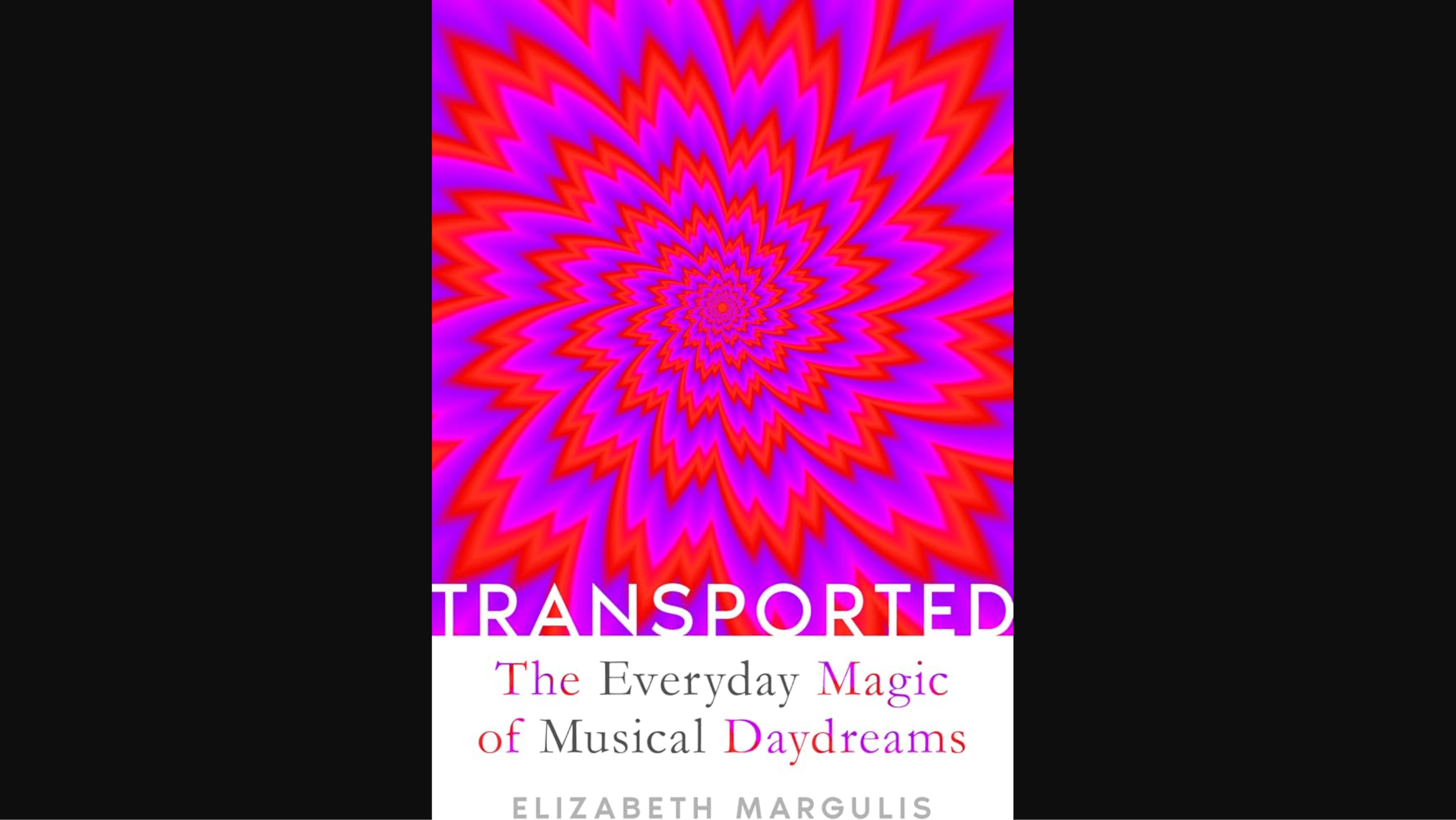
Transported examines musical daydreams, the memories, imagined scenes, stories, and emotions that arise during music listening. Drawing from neuroscience, psychology, ethnography, and music-cognition research, it explores attention, autobiographical memory, mental imagery, creativity, cultural differences, shared associations, and music’s possible roles in health.
Wall Street Journal, BBC Music Magazine
Posted bySarah Pearl
Pending staff verification
Notify
Abstract/Description
Transported examines musical daydreams, the spontaneous memories, imagined futures, visual scenes, stories, emotions, and bodily sensations that can arise while listening to music. It considers these experiences as a way to study how music interacts with attention, memory, imagination, identity, and meaning-making.
Drawing from neuroscience, psychology, ethnography, and music-cognition research, Margulis investigates why music can prompt vivid autobiographical memories and why listeners sometimes imagine similar scenes in response to the same musical passage. The book examines how musical structure, rather than lyrics alone, can guide imagined narratives and how these associations may be shared within a culture while differing across cultural contexts.
Topics include music and time perception, mind-wandering, the brain’s default mode network, sensory imagery, metaphor, aphantasia, cultural learning, repetition, and the relationship between personal memories and collective musical associations. Musical examples are used to consider how rhythm, harmony, mode, melody, and other structural features influence the direction and emotional character of listeners’ thoughts.
Transported also explores musical daydreaming in relation to creativity, social connection, anxiety, and well-being. Its discussion of healing considers emerging research and possible applications involving dementia, depression, Parkinson’s disease, and post-traumatic stress disorder, while distinguishing these possibilities from established clinical conclusions. Musical daydreams are presented as everyday experiences that can reveal how the brain integrates sound with memory, imagery, emotion, and narrative.
Drawing from neuroscience, psychology, ethnography, and music-cognition research, Margulis investigates why music can prompt vivid autobiographical memories and why listeners sometimes imagine similar scenes in response to the same musical passage. The book examines how musical structure, rather than lyrics alone, can guide imagined narratives and how these associations may be shared within a culture while differing across cultural contexts.
Topics include music and time perception, mind-wandering, the brain’s default mode network, sensory imagery, metaphor, aphantasia, cultural learning, repetition, and the relationship between personal memories and collective musical associations. Musical examples are used to consider how rhythm, harmony, mode, melody, and other structural features influence the direction and emotional character of listeners’ thoughts.
Transported also explores musical daydreaming in relation to creativity, social connection, anxiety, and well-being. Its discussion of healing considers emerging research and possible applications involving dementia, depression, Parkinson’s disease, and post-traumatic stress disorder, while distinguishing these possibilities from established clinical conclusions. Musical daydreams are presented as everyday experiences that can reveal how the brain integrates sound with memory, imagery, emotion, and narrative.