Voices from the Field: Erin Harkey
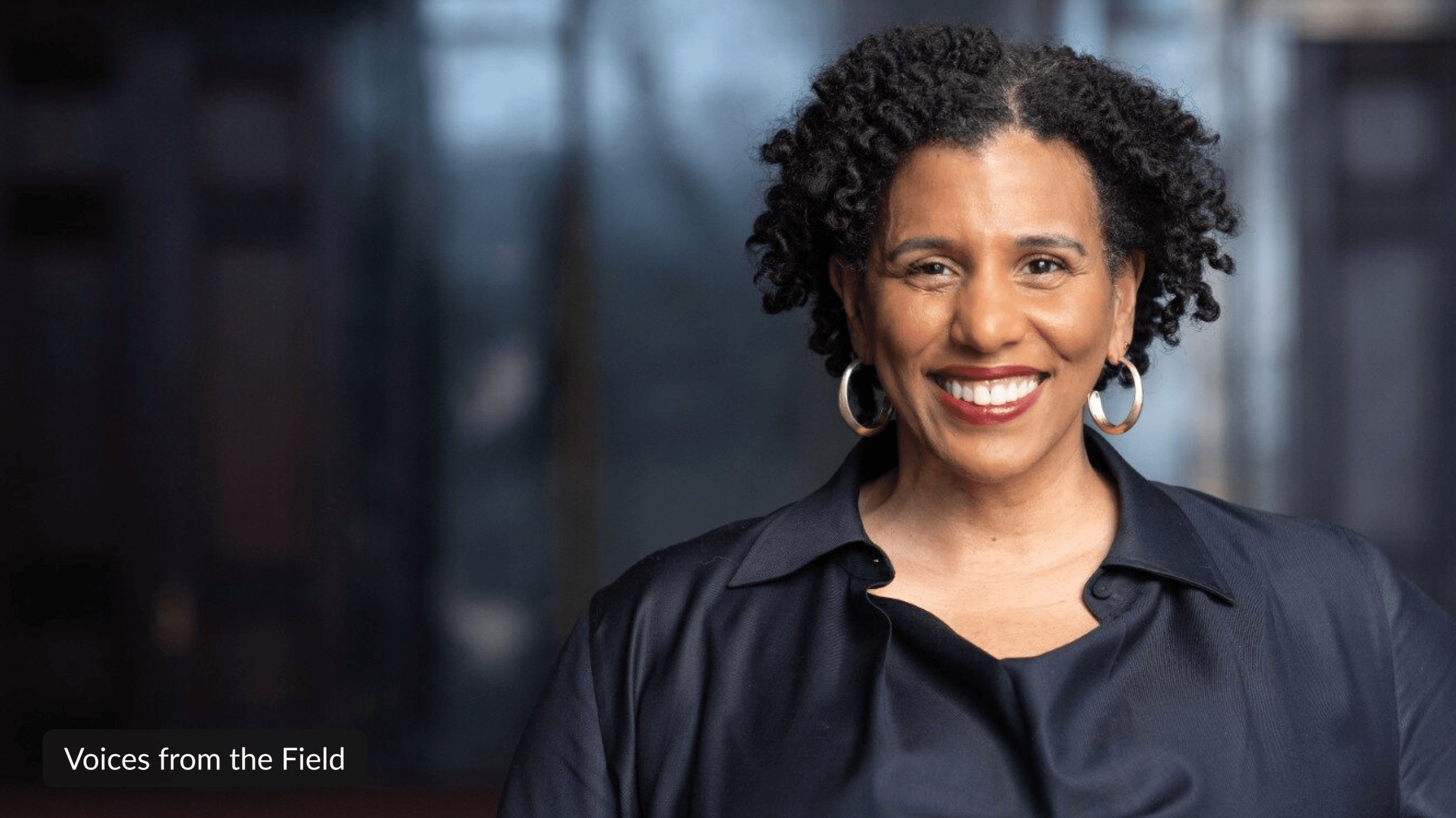
What first inspired you to explore the connection between the arts, health, and/or science?
My connection to the arts and wellbeing started long before I entered public policy or arts administration—it began when I was playing the cello and dancing as a student. I felt firsthand how making music and moving my body helped me process emotions, stay grounded, and connect with others. I didn’t have the scientific vocabulary for it then; I just knew it made me feel whole.
That foundation has guided more than two decades of work in community development, public policy, and arts administration. During my time leading Chicago’s cultural landscape, I helped design Healing Arts Chicago, an ongoing initiative connecting arts-based workforce development with community health and wellbeing. I now bring that same conviction to Americans for the Arts: the arts are essential to healthy people and thriving communities.
Creative practice has long supported healing, but science and policy are finally catching up. Neuroarts provides empirical evidence for what artists have known intuitively for centuries: creative expression affects the brain, body, and behavior. At Americans for the Arts, we translate that knowledge into advocacy, research, and systemic change. For more than 65 years, we’ve worked to advance the people, organizations, and systems supporting arts and culture. Neuroarts represents an important next frontier of that mission.
In your view, what makes the arts and aesthetic experiences uniquely powerful tools for advancing health and wellbeing—and how does your work contribute to translating that potential into practice?
We have powerful scientific evidence demonstrating the role of the arts in advancing health and wellbeing. The World Health Organization reviewed more than 3,000 studies and identified important roles for the arts in promoting health, preventing illness, and supporting treatment. Similarly, National Endowment for the Arts research has found associations between arts attendance, lower loneliness, and stronger social support.
What makes the arts uniquely powerful is their ability to engage our biological, psychological, and social systems simultaneously. Creative experiences can reduce stress and social isolation while strengthening community connections and resilience. Health requires more than the absence of disease; it also requires belonging and connection.
Our new research with NORC at the University of Chicago confirms that Americans recognize these benefits: 57% report that the arts improved their mood or emotional wellbeing, 50% say the arts helped manage stress, and 45% found they alleviated loneliness. Yet a significant gap remains. While 70% favor healthcare providers connecting patients with arts and creative programs, only 11% report that a provider has ever discussed or recommended arts activities to support their health.
At Americans for the Arts, we work to close this gap through advocacy that protects funding and expands access nationwide. For example, we advocate for increased federal funding for programs like Creative Forces: NEA Military Healing Arts Network, which supports service members experiencing traumatic brain injuries and PTSD. Investing in the arts as civic infrastructure is an investment in healthier, more connected communities.
What challenges do you see in building a more cohesive and equitable neuroarts ecosystem?
The primary challenge is fragmentation between research, policy, and execution. Neuroscientists, clinical practitioners, arts therapists, and community-based artists frequently operate in silos, navigating disconnected funding streams.
We also face a challenge in connecting with the public. Our new baseline tracker found that 92% of Americans consider physical activity important to health and wellbeing, and 89% say the same about spending time outdoors. For arts participation, that figure was 66%. Despite growing scientific evidence, we need to do a better job translating that knowledge into something meaningful in people’s everyday lives. That’s on us! The arts connect to something people already value—good health—and we have an opportunity to help Americans see creative practice as vital to longevity alongside nutrition and exercise.
Building an equitable ecosystem also means bridging scientific research and community-led traditions. Health-giving creative practices already thrive in neighborhoods, state fairs, and community centers. We must ensure that cultural organizations serving historically marginalized people and communities have direct access to resources. Success will only be achieved when we value community knowledge and build an ecosystem where arts and culture are resourced in every community and accessible to everyone.
What kinds of support, collaboration, or infrastructure would most help you expand and/or scale your work? What are existing resources that you have found most useful?
To successfully scale this work, we need infrastructure that connects federal policy with local action, supported by private philanthropy and sustained public investment. Our latest polling shows that 71% of Americans favor government funding for arts and creative activities supporting health and wellbeing.
The public is also ready for greater integration into healthcare: 62% say they would likely follow a doctor’s arts recommendation, compared with 46% if it included a $20 copay. At Americans for the Arts, we're developing a National Arts Policy Agenda that brings together voices across the field to establish shared priorities. Integrating arts and health into this agenda offers an opportunity to move beyond individual programs toward sustained investment and systemic change.
We’re already collaborating with researchers and advocates through the Bright Eyes Coalition, convened by the NeuroArts Blueprint Initiative and Aspen Institute. We also look to promising state models, including the Massachusetts Cultural Council’s Social Prescription Pilot and NJPAC ArtsRx at the New Jersey Performing Arts Center, which has served nearly 350 patients since 2023.
Looking ahead, what is one bold idea or hope that you have for the future of neuroarts?
My hope is that neuroarts research will help make arts-on-prescription models a standard part of health insurance, public safety nets, and community care systems nationwide. I am honored to share our new NORC findings at the upcoming NeuroArts Global Summit in Washington, D.C., where leaders will explore how creative experiences can advance health and wellbeing.
We already have a strong foundation of public support. Our research found that 85% of Americans favor arts activities in schools to support students’ mental health, 85% support programs for older adults, and 81% favor arts offerings at libraries and community centers. Moreover, 57% want to participate more in the arts to improve their wellbeing. The public is ready for arts and culture to play a greater role in everyday life.
This aligns with our vision at Americans for the Arts: a nation where creative expression is recognized as essential to our collective health, resourced in every community, and accessible to everyone. By integrating neuroarts into our National Arts Policy Agenda and healthcare systems, we can move beyond treating illness toward cultivating lifelong health. My hope is that access to the arts becomes a fundamental part of how we care for ourselves and one another.