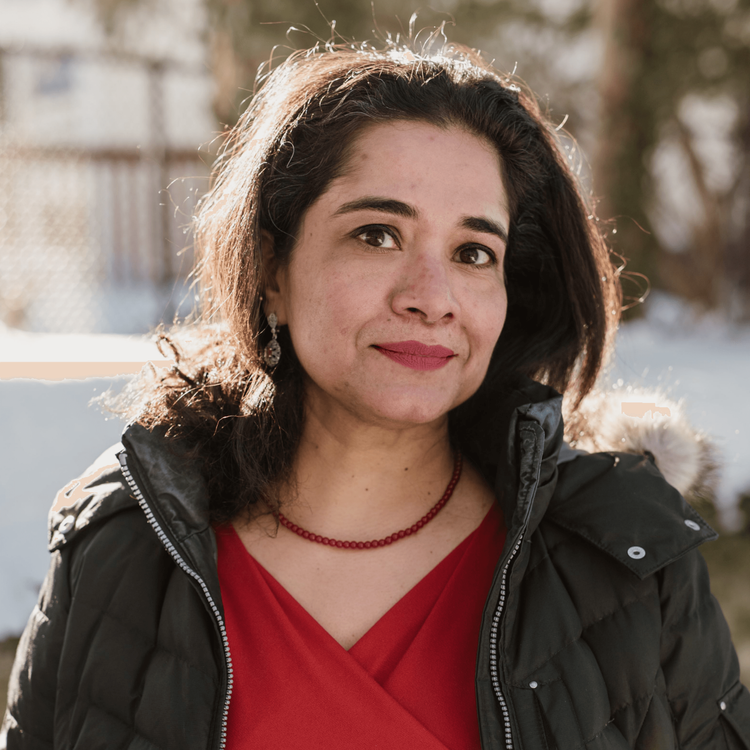
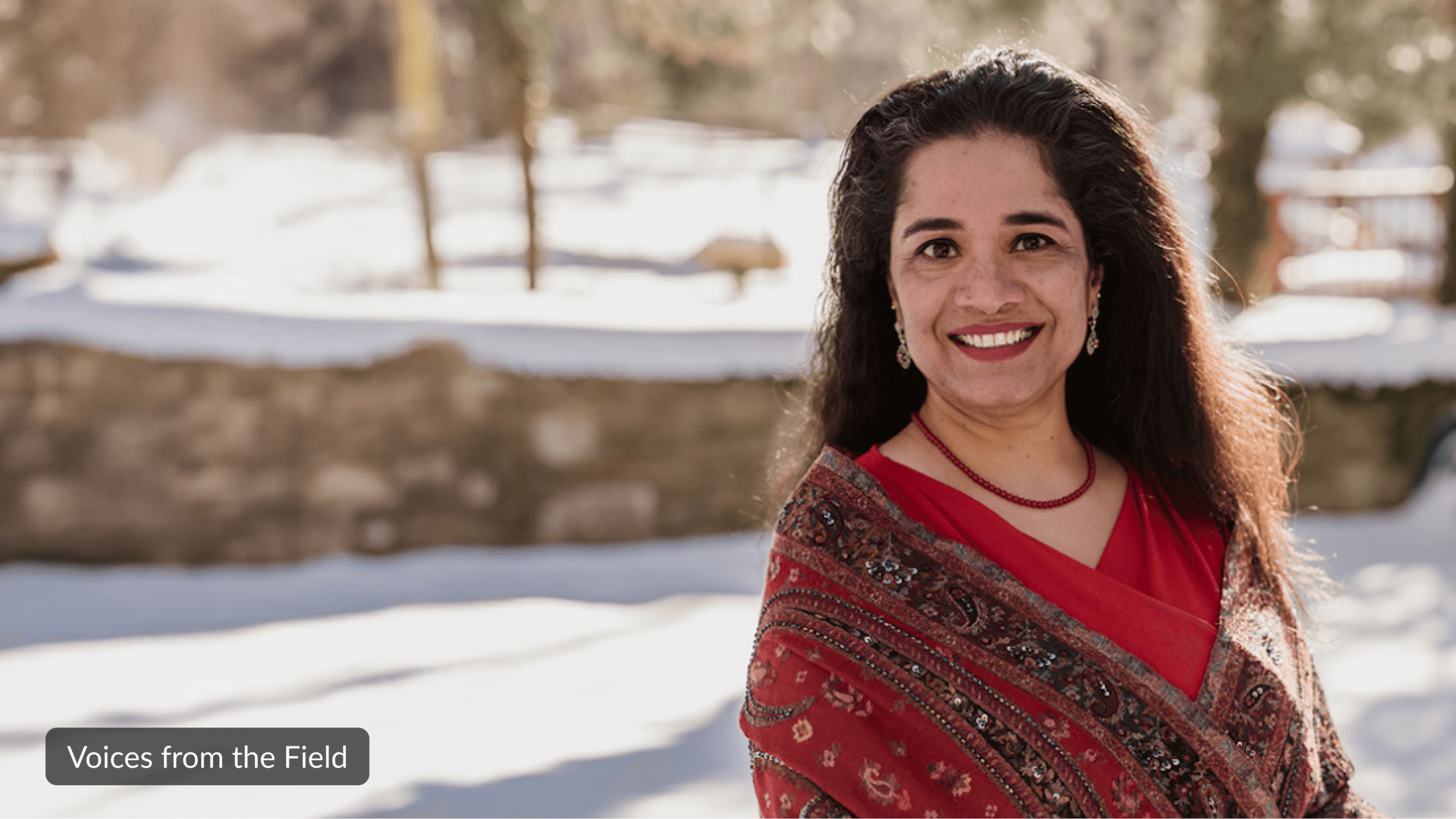
Voices from the Field: Girija Kaimal
What first inspired you to explore the connection between the arts, health, and/or science?
I think a lot of my research is inspired by personal experience: a family history of depression, and also my own history of being sickly as a child. The arts really became a to communicate, to tackle boredom and to experience the joyous aspects of creative self expression. Painting and visual arts became my self-expressive medium of choice even though for many years I was trained in the Indian classical dance Bharatanatyam. I didn’t have much formal training in art as a child but maybe that’s why it felt like a space where I could fully be myself: A space to teach myself, to explore and play, and often communicate. I remember feeling good often as a result of engaging in art — it was a rewarding experience for me. Having been sickly and home bound often as a preschooler, my art would show up at school art exhibitions more often than me.
I also loved making things and giving them as gifts to friends and family. To me, it became this activity that was emotionally very meaningful. I later got interested in the physiological aspects of creative self expression and a lot of my research looks at this connection between the biological changes that happen when you engage in visual arts and narrative self-expression, and how all that’s connected to psychological health and wellbeing. All these aspects of the human condition are deeply intertwined and there is now an increasing body of evidence confirming that distress and wellness, be in physiological or psychological are not very different to the body.
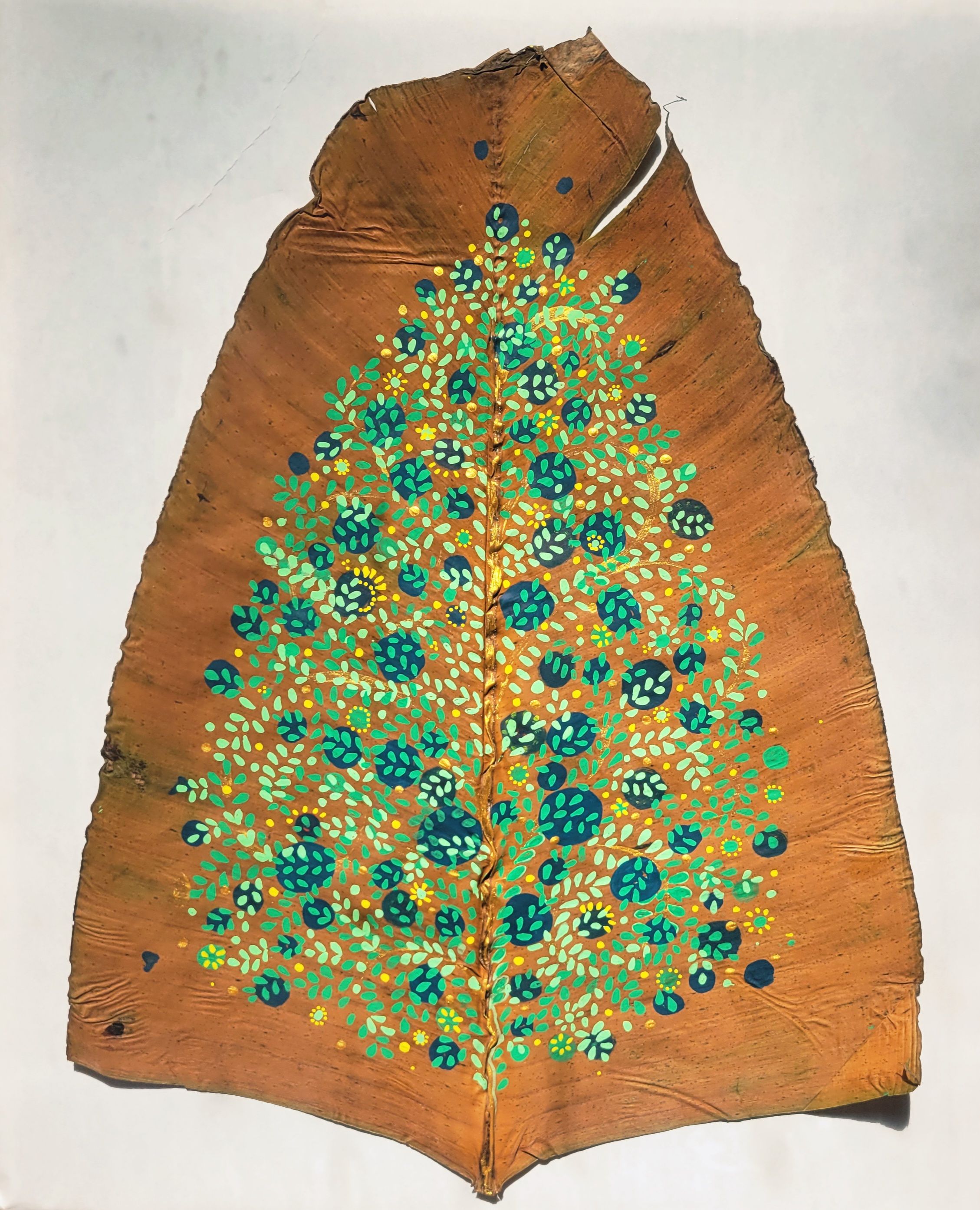 Dr. Girija Kaimal, Banana leaves and paint
In your view, what makes the arts and aesthetic experiences uniquely powerful tools for advancing health and wellbeing—and how does your work contribute to translating that potential into practice?
The separation of artistic practices from everyday life and the delineation of creative expression into “somebody’s an artist and only they’re supposed to do art” is one of the greatest tragedies of modern life. We’ve separated out normal human expressive instincts into these professions — you are an artist, you are a doctor, you are an engineer, you are a dancer, you are a musician. We separate out these roles forgetting that we are our old hunter-gatherer bodies and brains: we moved, sang, made music, made our clothing, we drew on cave walls, and we carved on our tools and implements, and decorated whatever abodes we lived in. These were natural extensions of the human condition. We made clothes, we made attire. We sewed. We made implements. We decorated the homes we lived in. To recognize that the arts are a part of our everyday life is a major mission of my life. I want to empower and invite anyone who listens to tap into these creative resources we all have within us. Creative expression is a uniquely human strength and the arts are one way to channel and express that.
And why not engage in the arts? It’s a container for a range of human emotions. You can express whatever you are feeling through a preferred art form. So, in that sense, it helps you process, it helps you play, it helps you feel a sense of accomplishment. In tackling our medium, making decisions, working through mistakes in our artwork, we are also practising problem solving. Everytime we engage in our creative practice, we are honing the muscles of playfulness, safety, feeling a sense of accomplishment and gaining confidence to navigate the next challenge that will come our way. All those things are really important for our ability to manage stressors. The struggle to navigate stressors is one of the major causes of illness and mortality in humans.
As humans our aesthetic preferences vary a lot since they’re related to how we were raised and the elements of our surroundings. My aesthetic preferences are invariably colourful with lots of detail, using a lot of natural media because that’s what I grew up with in India and Nepal. To be surrounded by things you find aesthetically appealing is a reminder, I think, to our bodies and our brains that you are safe and that you are living in wellness. Signals of beauty are typically signals of health and wellbeing; to have that sensitivity and to connect with that aesthetic experience is very valuable.
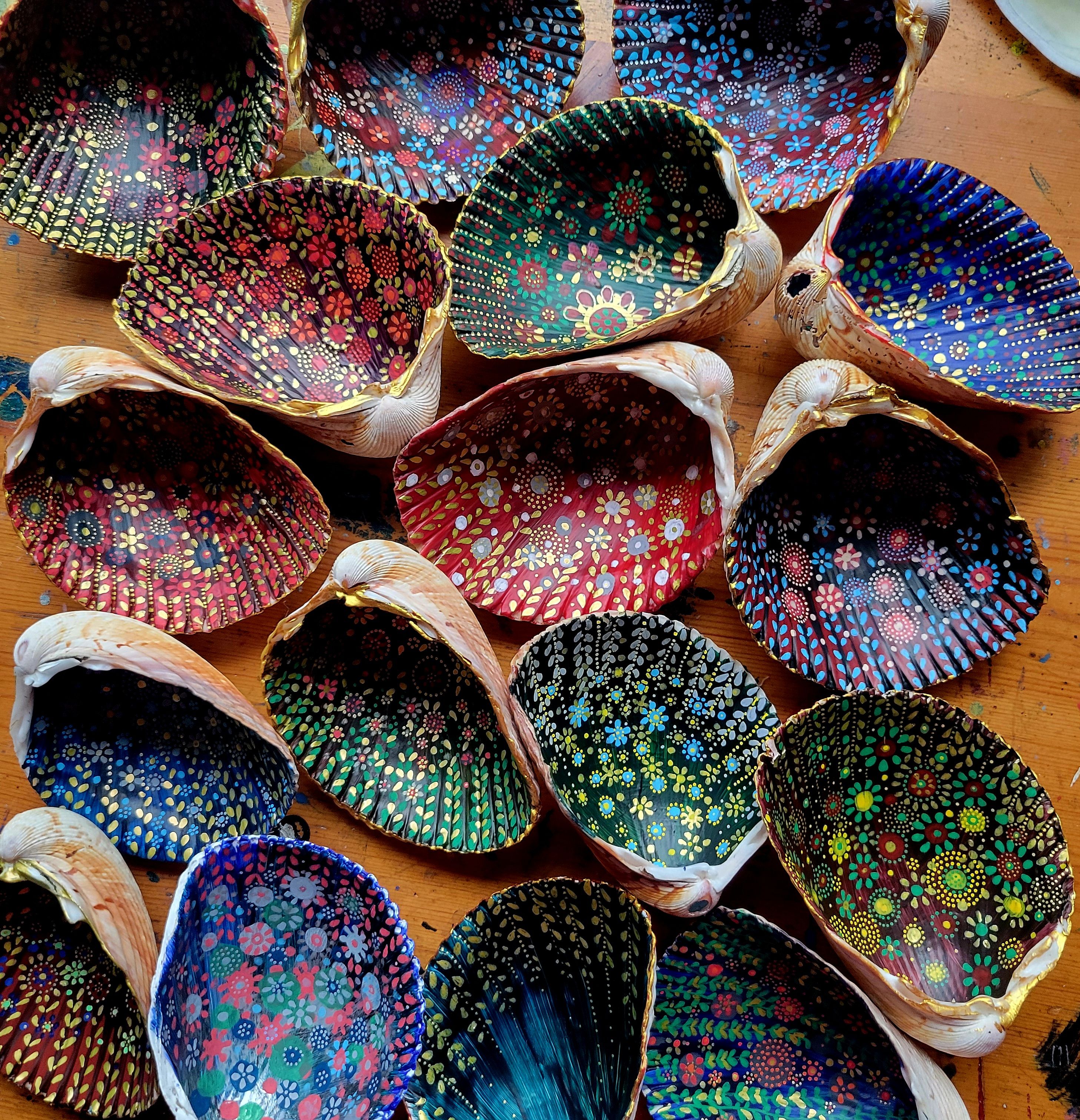 Dr. Girija Kaimal, Cockle shells and paint
As for how I translate it into my practice, one of the studies we are doing right now is this global study on Indigenous arts practices, and we are looking at how both traditional and heritage arts practices (this could be something you are taught by a family member that you continue to do) contribute to health and wellbeing. Our initial studies are finding that those who engage in a preferred heritage arts form — and we all have something we can identify and tap into, as we all come from an indigenous community if you go far back enough) — have reduced anxiety, reduced stress, and improved positive mood. We have collected data from Japan, India, and the US. We are hoping to expand to additional countries. We also studies where we track reward perception in the brain, brain activity, inflammatory markers, and how self-expression helps with improving outcomes of these measures. We also work with clinical populations including individuals who have lived through trauma and adversity. One of these was with pediatric, adult hematology, and oncology and we found that even a single session of authentic, safe self-expression can reduce burnout, improve mood, and reduce stress. We are very excited with these findings! The research is supporting the idea of giving ourselves the permission to do the things we find creatively satisfying. I hope whoever reads this will give themselves that permission: whatever your creative inclination is, invest in it. Spend time doing what you love, even for a few minutes every day. You will notice a difference in your emotional and physical health.
What challenges do you see in building a more cohesive and equitable neuroarts ecosystem?
Everyone brings slightly different strengths, commitment, and passion. Some folks are really good at communication. Others excel at conceptualizing ideas and implementing original research. Yet others, are good at influencing policy. Really recognizing your strengths and what you bring to this ecosystem and then going all out with commitment to your core vision for your work in the world is really important.
Another challenge is the minimization of the creative arts. They tend to be treated as a privilege or as a leisurely activity for the wealthy. But that’s really not how we were as humans before the modern era. If you go back in time, to the origins of human expression, the arts have been with us since we came to be known as homo sapiens. It’s a part of who we are. It helps us navigate the challenges of life and enhance human wellbeing. Those who work in the arts don’t have to be competitive. There is room for us all to cooperate, and to work together with our respective strengths and interests.
What kinds of support, collaboration, or infrastructure would most help you expand and/or scale your work? What are existing resources that you have found most useful?
I believe strongly that visual arts have helped me and helped my health and wellbeing, but that doesn’t mean it’s the case for everyone. Depending on how you feel about your skills and your experiences with arts education, you may or may not find the arts very relaxing. Recognizing how we can come together and create an environment of openness to learn together, I’m invariably surprised by the findings in our studies which hone and fine tune how I think about the role of the arts in our life. I think we could definitely use funding support from those who also believe in this work.
Historically, the arts have always had powerful patrons and we need that kind of patronage and support. The existing resources I have found most useful are thoughtful funding organizations and collaborators who have a lived experience of the benefits of the arts — including having benefitted by being active in their own art form, been transformed by seeing or engaging or moved by someone else’s work, and/or, had a family member who’s benefitted from the creative arts therapies. I want to recognize that I am an art therapist, so my preparation is in using the arts therapeutically for clinical populations for trauma recovery and working with patients who have been through intensive and incredibly difficult adverse situations in life that require clinical care. Working together with people who want to make the world a more humane and caring place through the arts is something that I seek to do everyday.
Looking ahead, what is one bold idea or hope that you have for the future of neuroarts?
I wish for every human being on this earth to be able to recognize and identify at least one expressive form that resonates and speaks to them. That will be my bold hope for the future: that we see this as a public health endeavor and global movement, and we empower every single human being to tap into their creative resources as a form of preventive and restorative health. We have this treasure trove of wellness within us. Let us work together to help 8 billion of us unleash that magic locked within.