Daisy Fancourt
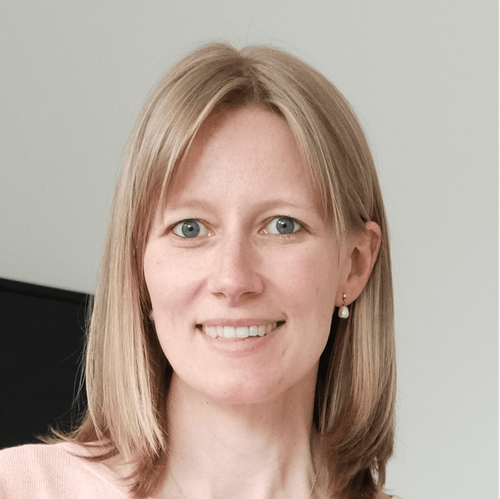
Daisy directs the Social Biobehavioural Research Group at UCL & the WHO Collaborating Centre on Arts & Health. She has received >£37m in research funding, published >300 scientific papers, and is listed as one of the most highly cited scientists in the world. Her book "Art Cure: The Science of How the Arts Transform Our Health" is long-listed for the international Women's Prize for non-fiction.
Daisy Fancourt is Professor of Psychobiology & Epidemiology and Head of the Social Biobehavioural Research Group at UCL (www.sbbresearch.org). Daisy studied at Oxford University and King’s College London before completing her PhD in psychoneuroimmunology at UCL and postdoctoral work at Imperial College London/RCM alongside working in the NHS. Her research focuses on the effects of social connections and behaviours on health, including social deficits (e.g. loneliness and social isolation) and social assets (e.g. community engagement, arts & cultural activities, and social prescribing).
Daisy has received over £37 million in research funding as Principal and Co-Investigator and her research has been recognised by fellowships from Wellcome and British Academy and two dozen national and international awards including from the British Science Association, Leverhulme Trust, Wellcome, British Academy, British Federation of Women Graduates, American Psychosomatic Society, AHRC, ESRC, Royal Society for Public Health and NHS England. She is also a Fellow of the Royal Society for Public Health and Royal Society of Arts and has been named an ITV Geek of the Week, a BBC New Generation Thinker and a World Economic Forum Global Shaper.
Daisy is Director of the World Health Organisation Collaborating Centre on Arts and Health as well as a member of the WHO Technical Advisory Group on cultural and behavioural insights on health and an Expert Scientific Advisor to DCMS. She authored the WHO Health Evidence Synthesis report on Arts & Health, which was named the Global Aesthetic Achievement of 2019. She is Principal Investigator of a 7-year £3.5m Wellcome Discovery Award on the global and molecular epidemiology of arts engagement and is leading a portfolio of global policy work with WHO and UNESCO, including with the support of a Horizon grant.
She also specialises in research on social prescribing. She is Director of the National Centre for Social Prescribing Data & Analysis, working with the National Academy for Social Prescribing. She is also Deputy Director of the Social Prescribing Youth Network and co-leading a number of clinical trials on social prescribing across the UK and internationally. She is past-director of the UKRI MARCH Mental Health Research Network, which engaged over 2,000 stakeholders working on community referral programmes.
During the COVID-19 pandemic, Daisy led the awarding-winning Covid-19 Social Study - the UK’s largest study into the psychological and social impact of the virus. The study was used in real-time to inform decisions such as when to release lockdown and how to roll out the vaccine. She also directed the COVID-Minds Network: an international network of 170 longitudinal studies exploring the global mental health impact of the pandemic. Daisy was a member of the Lancet COVID-19 Commission and the World Health Organisation Expert Group on mental health in COVID-19.
Daisy has published over 300 peer-reviewed papers, 3 books, and over a dozen book chapters and given over 70 keynotes around the world. Her latest book Art Cure is published by Penguin (UK) and Macmillan (US) and is long-listed for the Women's Prize for non-fiction. She is listed by Clarivate as one of the most highly cited scientists in the world and ranked #7 in the UK's list of Best Rising Stars of Science.