UMN RAD Lab
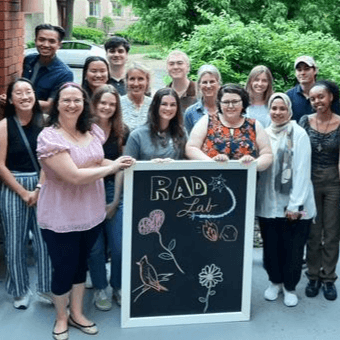
RAD Lab at the University of Minnesota studies adolescent depression, with a focus on self-injurious thoughts and behaviors, using brain imaging and behavioral science. Recently, we started to explore how creative expression—through programs like Creativity Camp—supports emotional development, offering new ways to understand and support youth through the intersection of neuroscience and the arts.
The Research in Adolescent Depression (RAD) Lab at the University of Minnesota investigates the emotional and brain development of youth, with a special focus on depression, self-injury, and suicide risk. Using neuroimaging, behavioral tasks, and longitudinal data, we explore how early life experiences and individual differences shape emotion regulation and mental health across adolescence.
A growing emphasis in the lab is the role of imagination, creativity, and artistic expression in supporting emotional development. We believe that creative engagement is not only meaningful for youth but also scientifically rich—offering new ways to understand brain function related to self-awareness, regulation, and healing.
Through projects like Creativity Camp, we collaborate with professional artists and community partners to create safe, expressive spaces for adolescents with lived experience of depression. These programs are intentionally designed to amplify youth voice, empower self-expression, and reflect the cultural strengths of the communities we serve—including Black, Indigenous, and immigrant youth.
Our work embraces interdisciplinary collaboration and the power of the arts to humanize science, deepen engagement, and inspire new approaches to prevention, intervention, and healing in adolescent mental health.
Programs & Activities
RAD Lab explores the intersection of neuroscience, creativity, and community to support adolescent mental health. Our diverse programs include:
Neuroscience & Mental Health Research:
We employ brain imaging (fMRI), behavioral assessments, and longitudinal studies to understand how the adolescent brain develops, focusing on emotion regulation, depression, self-injury, and suicide risk.
Creativity Camp:
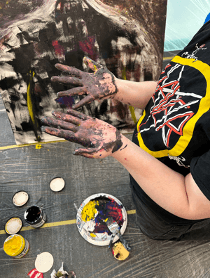
A two-week arts-based program for adolescents aged 12–17 with lived experience of depression. Participants engage in creative activities like collage, painting, and nature exploration, co-designed with professional artists and informed by trauma-sensitive practices. The program fosters emotional expression and healing through art.
Imagination Central:
A year-long research study combining arts engagement and scientific inquiry. Adolescents aged 13–17 participate in weekly sessions involving creative arts activities alongside college students, aiming to understand, measure, and promote creativity. The program includes designing and testing creativity assessments, interviews, surveys, and MRI scans.
Imagination Studio:
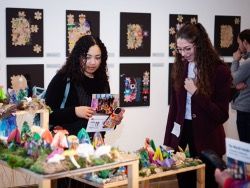
A six-week program targeting undergraduate students, focusing on how engaging in creative arts activities can improve mental health and wellbeing. Participants explore their imagination through art projects that delve into their inner and outer worlds, culminating in an exhibition showcasing their work.
Becoming Artists:
This study examined how engagement in creative activities impacts mental health in adolescents enrolled in an intensive outpatient program. Participants took part in a creative arts class, exploring whether engaging in creative work can lead to positive shifts in self-perception and promote greater well-being.
Oromo Mental Health Study:
A four-week creative arts program developed in collaboration with the local Oromo community. Participants engaged in various art experiences, including abstract self-portraits, multimedia collages, beading, clay work, Oromo dancing, and a community mural. The program aimed to spark inspiration, imagination, and creativity while exploring topics related to mental health and well-being.
The BRIDGES Study:
Brain Imaging Development of Girls’ Emotions and Self Study is a three-year longitudinal study examining developmental changes in emotion, cognition, and self-understanding in the brain and body of adolescents with and without self-injury. The study involves brain imaging and behavioral assessments to understand the emergence of depression and self-injury during adolescence.
Community Partnerships:
We collaborate with schools, artists, and mental health organizations to design culturally tailored programs that reflect the needs and strengths of diverse communities, with special emphasis on programming for Black, Indigenous, immigrant, and LGBTQ+ youth.
Youth Empowerment & Voice:
Youth are integral to our work—not just as participants but as co-creators. Their perspectives shape program design, storytelling, and dissemination, ensuring that our initiatives resonate with their lived experiences.
Translational Science & Public Engagement:
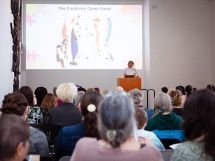
We disseminate our findings through academic publications, public talks, and creative showcases. Our goal is to make science accessible and actionable, reducing stigma and promoting understanding around adolescent mental health.