Why NeuroArts?
August 11th, 2025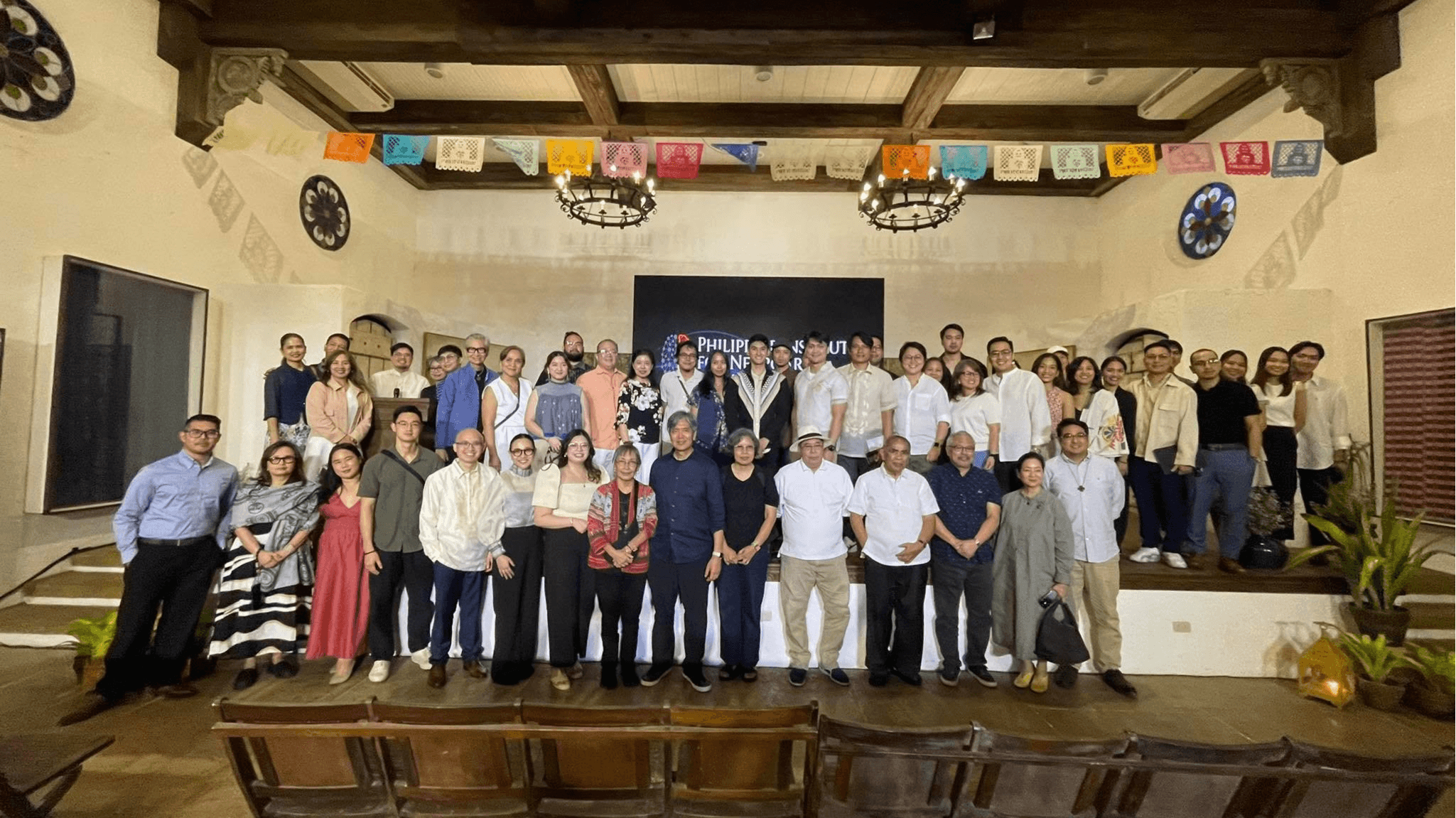
“If art doesn’t make us better, then what on earth is it for?” – Alice Walker
Neuroarts is the study of the effect of art and aesthetic experiences on the brain, body and behavior. Under this broad terminology, neuroesthetics is then the study of the neural mechanisms behind the arts and aesthetic experiences. Quite literally, it is “Brain on Art”.
Why then should we choose neuroarts? If we take a look at everything in retrospect, the arts have been present since time immemorial. It has been the archetype for understanding different cultures from all around the world. But then again, one may ponder, what draws us to the arts? Why are we enamored by the different forms of art, including literature, painting, sculpting, drawing, music, dance and visual arts? Evoking the same emotion, we also ask ourselves the same question, “What on earth is it for?” [1]
To put it simply, the arts heal us. It improves our health, wholeness and well-being. It enhances our learning ability and improves our human psyche. While the field in itself has only been formalized a quarter of a century ago by Professor Semir Zeki (neuroscientist), it is evident that it has been existent for millennia. The results and findings from the global community of scientists and artists have found that neuroarts revolves around neuroplasticity, enriched environments, the aesthetic triad and the default mode network. [1]
Neuroplasticity is the brain’s ability to form again and again neuronal connections and new pathways. Contrary to popular belief, the brain is dynamic and a primary driver behind this is the environment that we live in. Enriched environments pertain to different settings that provide a myriad of sensory, cognitive, motor and social stimuli. These stimuli are the aesthetic experiences, for which the ultimate enriched environment is nature. The arts that surround us and the sensations they elicit make up our own personal aesthetic experiences. The aesthetic triad then explores the dynamic nature of our own aesthetic-making process. The triad is composed of our sensorimotor systems (how we bring in the information from our environments), our reward systems (how the information we bring in activates pathways leading to pleasure and happiness), and our cognitive knowledge and meaning-making system (what all these experiences would affect how we perceive and respond to anything). The default mode network is the connectome believed to be the neurological basis for the self. It spans the prefrontal and parietal lobes. It is our meaning-making system where we decide whether something is beautiful or not and whether it is meaningful or not. [1, 2, 3, 4]
All of the aforementioned have been the results of research that have spanned decades and counting. Locally, research about the field has been sparse, more so the use of the arts as a supplemental therapeutic option for our patients with various health issues. [5, 6, 7] Art is predominantly seen by many as a luxury, a commodity and as a form of entertainment accessible only to the few who can afford it. We do not believe this is true. We believe that the way forward is through neuroarts.
This is where the Philippine Institute for NeuroArts came about. It was established in November 2024 at the Pinto Art Museum and Arboretum. Not surprisingly, the aptly named museum became an opportunity to establish the field in the country. It serves as a hub of knowledge and a beacon for research on neuroarts. The hope is for neuroarts to be formally introduced, explored, recognized and advocated for its potential therapeutic benefits in our country. The goal is to construct a central library housed within the museum, to create a journal that shall include various editorials and peer-reviewed researches on the field, and to establish a society composed of members from the field of neurosciences, social sciences, and arts and humanities. Looking ahead, the institute advocates for the advancement of the field of neuroarts in the Philippines, the collaboration between different sectors, the inclusion of neuroarts in the medical education curriculum, and advocating social prescription as a supplemental therapeutic option for an individual’s wholeness and well-being. Join us and together, we shall take the first steps towards a dynamic and enriched future.
“The mind, once, stretched by a new idea, never returns to its original dimensions.” – Oliver Wendell Holmes
References:
[1] Magsamen, S., & Ross, I. (2023). Your brain on art: How the arts transform us. Random House, pp. 3-24
[2] Dulamea, A., & Dulamea, M. (2011). The neurobiology of visual arts: implications in the neuroplasticity process. Roman. J. Neurol, 10, 120-125.
[3] Yeo, B. T., Krienen, F. M., Sepulcre, J., Sabuncu, M. R., Lashkari, D., Hollinshead, M., ... & Buckner, R. L. (2011). The organization of the human cerebral cortex estimated by intrinsic functional connectivity. Journal of neurophysiology.
[4] Vartanian, O., & Chatterjee, A. (2021). The aesthetic triad. Brain, beauty, and art: Essays bringing neuroaesthetics into focus, 27, pp. 27-30.
[5] Sarmiento, J.V. (2022). Beauty and the Brain: The Scientific Basis as to why beauty might be in the eye of the beholder. Unpublished manuscript, Institute for Neurosciences, St. Luke’s Medical Center, Quezon City, Philippines
[6] Dominguez, J. C., Del Moral, M. C. O., Chio, J. O. A., de Guzman, M. F. P., Natividad, B. P., Decena, J. P. M., ... & Phung, K. T. (2018). Improving cognition through dance in older filipinos with mild cognitive impairment. Current Alzheimer Research, 15(12), 1136-1141.
[7] Dy, J.H. (2024). Enter and Be Healed. Unpublished manuscript. Accessed January 14, 2025. Retrieved from https://drive.google.com/drive/folders/1SD5JHyWCdu5yWHcnmLkgBxuaQT0AcYoe
Associated People

Dr. Joven R. Cuanang is a Neurologist, art collector, curator and philanthropist.