Do You See What I See? The Possibilities of Pareidolia Research
January 28th, 2025
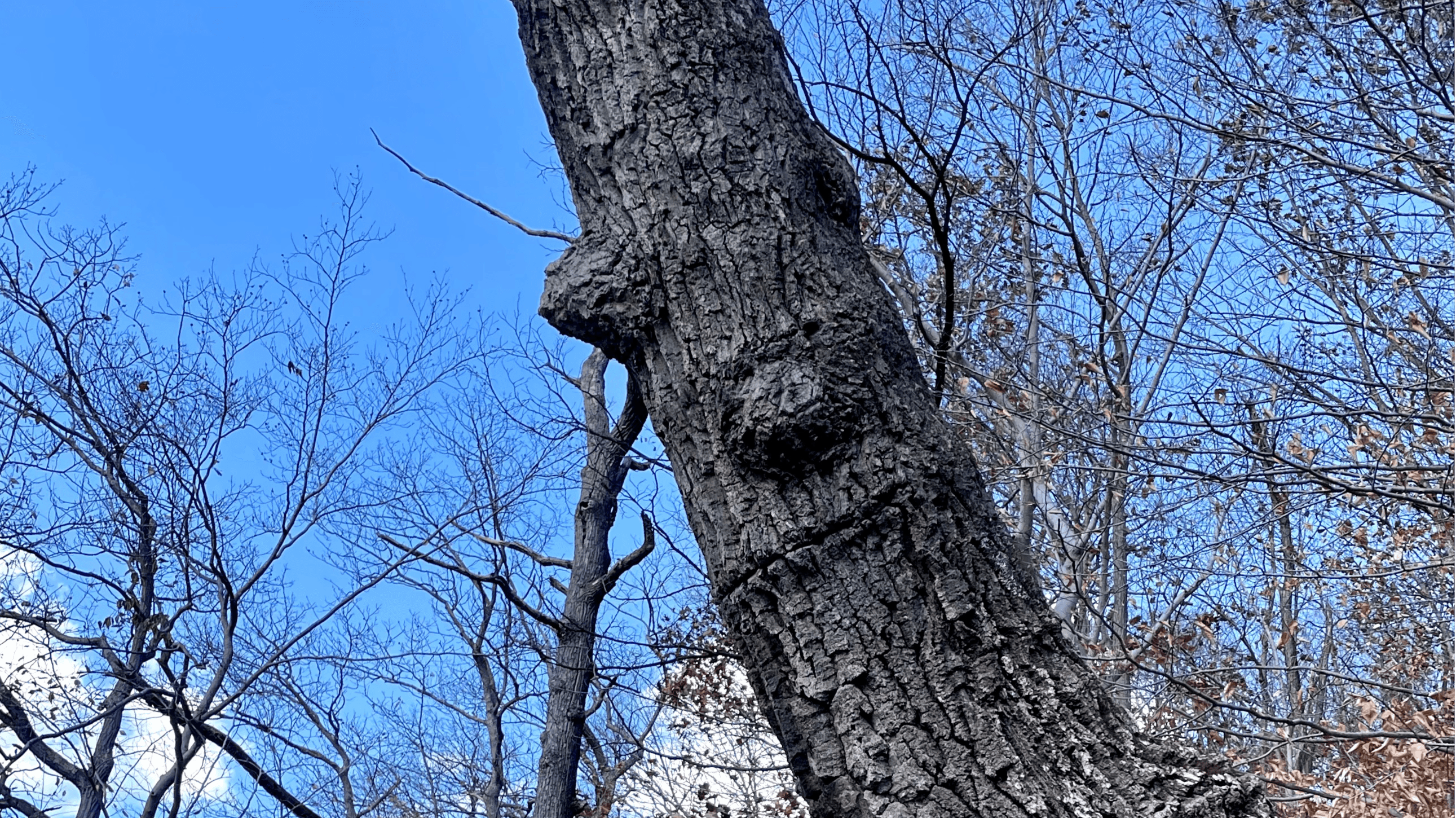
This Psychology Today article provides an overview of pareidolia, the scientific phenomenon of recognizing patterns, like faces, in random stimuli: for example, seeing faces in clouds. Research links pareidolia to neural activity, creativity, and cognitive flexibility and tests using pareidolia-induced images may help detect neurological conditions like dementia.
Psychology Today
Posted bySusan Magsamen
Pending staff verification
Notify
Abstract/Description
As humans, we are naturally inclined to recognize patterns, often imbuing them with meaning — a psychological phenomenon known as pareidolia. This can manifest as seeing the face of an old man in the knots of a tree or the shape of an animal in the clouds. Derived from the Greek words para ("beside") and eidolon ("image" or "form"), pareidolia typically involves identifying human-like features in nature, but it also encompasses perceiving recognizable shapes or forms in objects. Auditory pareidolia, where distinct sounds like voices or music appear to emerge from ambient noise, is another example.
Evolutionary psychologists suggest that pareidolia likely played a critical role in survival by enabling early humans to quickly identify faces, predators, or other significant patterns in their environment. Once considered exclusively a symptom of psychosis, pareidolia is now recognized as part of the normal human experience. In particular, our brains have evolved to detect faces quickly, which explains the human tendency to see faces everywhere, including when viewing inanimate objects like electrical outlets or slices of toast. But pareidolia can play other visual or auditory tricks on the mind—causing us to see animals, patterns, or objects in unexpected places or even hear music or voices where none exist.
Pareidolia can be used as a window into the mind’s eye, offering clues about how the brain perceives what we sense in the world through our vision and hearing. Researchers are exploring the role that individual differences in personality, creativity, and mood may play in our experiences of pareidolia.
Evolutionary psychologists suggest that pareidolia likely played a critical role in survival by enabling early humans to quickly identify faces, predators, or other significant patterns in their environment. Once considered exclusively a symptom of psychosis, pareidolia is now recognized as part of the normal human experience. In particular, our brains have evolved to detect faces quickly, which explains the human tendency to see faces everywhere, including when viewing inanimate objects like electrical outlets or slices of toast. But pareidolia can play other visual or auditory tricks on the mind—causing us to see animals, patterns, or objects in unexpected places or even hear music or voices where none exist.
Pareidolia can be used as a window into the mind’s eye, offering clues about how the brain perceives what we sense in the world through our vision and hearing. Researchers are exploring the role that individual differences in personality, creativity, and mood may play in our experiences of pareidolia.