The golden ratio in learning spaces: Cognitive impact, user preference, and sustainability implications
November 30th, 2025
Valencia
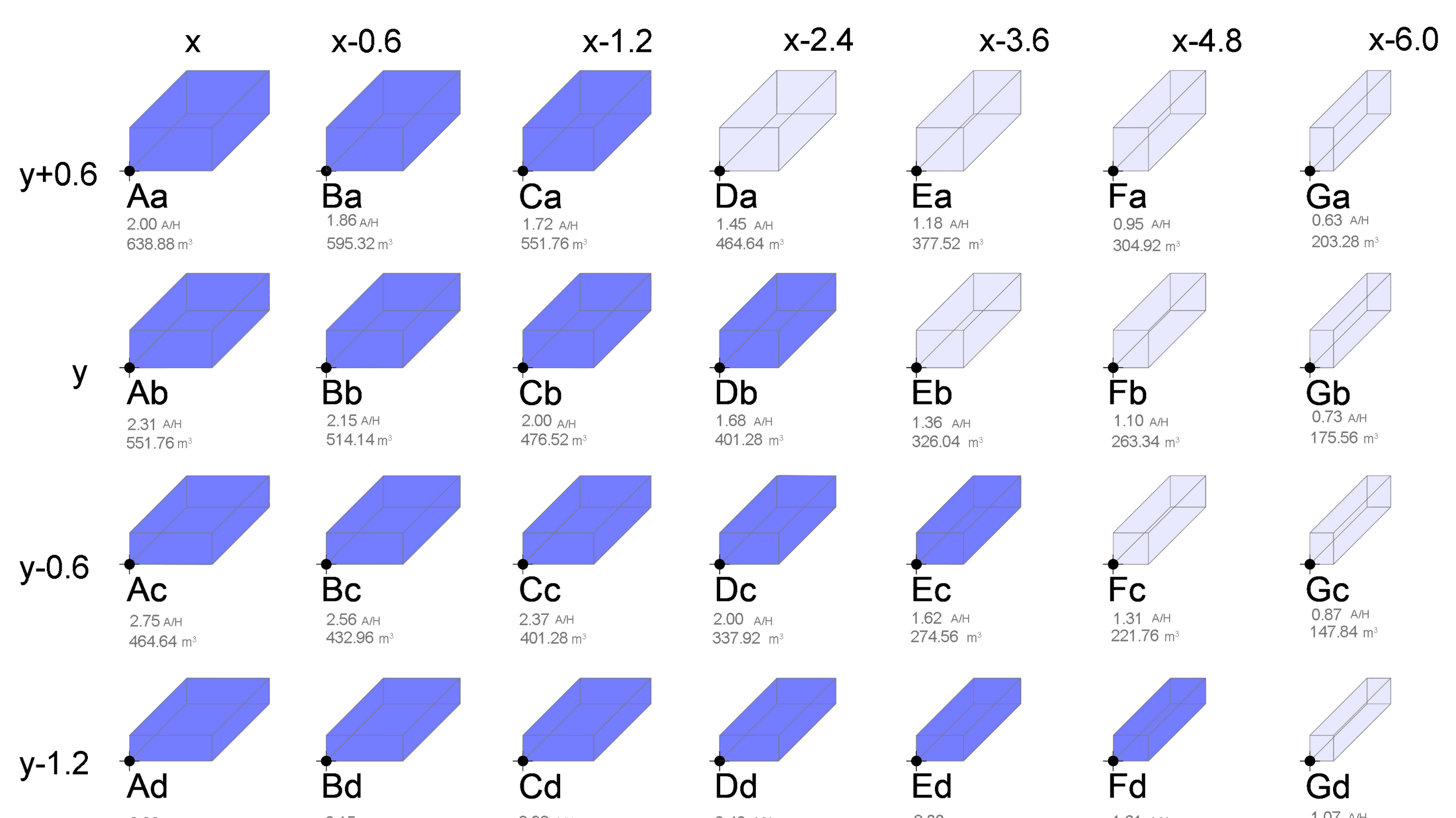
This paper reports on a study of how the dimensions of learning spaces, precisely their width, height, width/height (W/H) ratio and their relation to the Golden Ratio (W/H = phi), affect the students’ cognition. The findings suggest that for architectural experiences, the Golden Ratio is more than an aesthetic principle; it also impacts human cognition.
Sustainable Futures
DOI: https://doi.org/10.1016/j.sftr.2025.101466
Posted byMar Llorens-Gámez
Pending staff verification
Notify
Abstract/Description
This paper reports on a study of how the dimensions of learning spaces, precisely their width, height, width/height (W/H) ratio and their relation to the Golden Ratio (W/H = phi), affect the students’ cognition. The study employed an experimental application within an immersive virtual reality (VR) environment to analyse how different W/H ratios influence cognitive performance and spatial preference. The findings revealed that classroom dimensions significantly impact users' memory, attention, and preferences. Classrooms with higher W/H ratios demonstrated better outcomes. Specifically, when this dimensional relationship exceeds the Golden Ratio, spaces are not only aesthetically preferred but also enhance cognitive performance. These findings suggest that for architectural experiences, the Golden Ratio is more than an aesthetic principle; it also impacts human cognition. In doing so, it supports not only cognitive and affective benefits but also long-term sustainability in the planning, construction, and retrofitting of learning environments. The results indicate several practical applications for designing flexible learning environments to optimise cognitive outcomes while also aligning with sustainable development in educational settings. This VR-based study opens new avenues for research in the field, highlighting the need for scientifically informed and sustainability-oriented design to improve educational spaces and broader societal outcomes.